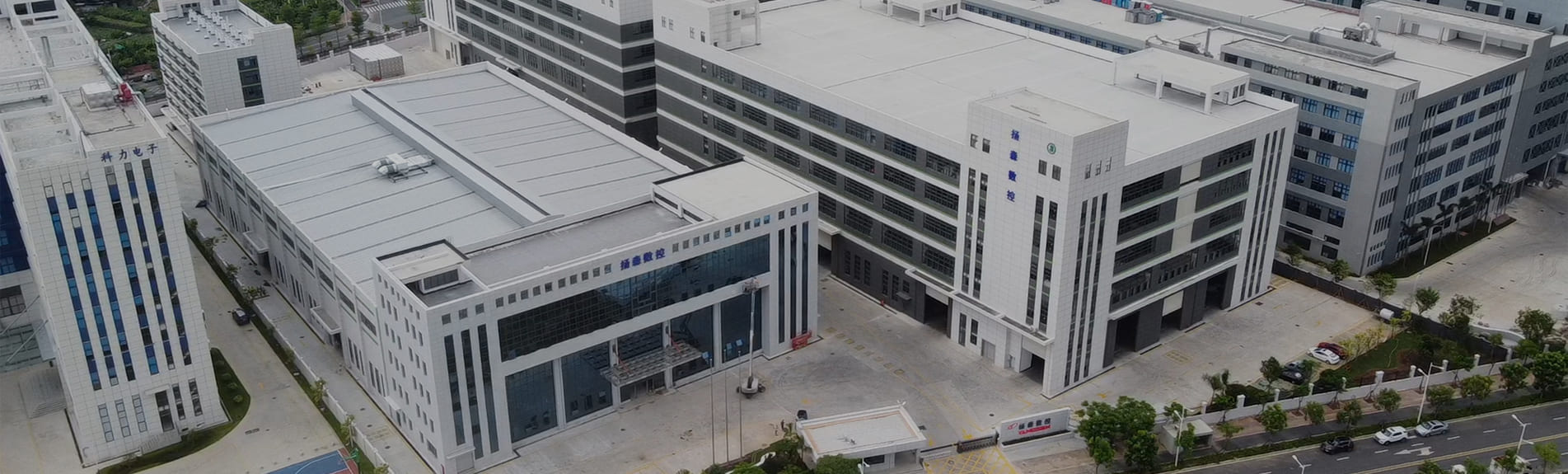
Die spanende Bearbeitung ist eines der wichtigsten Fertigungsverfahren im Maschinenbau. Sie dient der Herstellung präziser Bauteile durch Abtragen von überschüssigem Material vom Werkstück. Sie spielt eine zentrale Rolle in Branchen wie der Automobil-, Luft- und Raumfahrt-, Medizin-, Bau- und Maschinenbauindustrie. Je nach Material, Bauteilkonstruktion und geforderter Genauigkeit werden verschiedene Bearbeitungsverfahren wie Drehen, Fräsen, Bohren, Schleifen und CNC-Bearbeitung ausgewählt.
Moderne Bearbeitungsprozesse kombinieren fortschrittliche Schneidwerkzeuge, computergestützte Steuerungssysteme und präzise Bearbeitungsparameter, um gleichbleibende Ergebnisse zu erzielen. Das Verständnis des Bearbeitungsprozesses hilft Ingenieuren, geeignete Methoden auszuwählen, die Produktionseffizienz zu steigern, die Maßgenauigkeit zu gewährleisten und die geforderte Oberflächengüte zu erreichen.
Die spanende Bearbeitung ist ein Fertigungsprozess, bei dem überschüssiges Material von einem Werkstück abgetragen wird, um die gewünschte Form, Abmessungen und Oberflächengüte zu erzielen. Das Werkstück kann aus Materialien wie Aluminium, Stahl, Edelstahl, Titan oder technischen Kunststoffen bestehen. Bei der spanenden Bearbeitung trägt ein Schneidwerkzeug Material in Form von Spänen ab, während sich Werkzeug und Werkstück relativ zueinander bewegen.
Im Maschinenbau ist die spanende Bearbeitung weit verbreitet, um präzise Bauteile mit spezifischen Abmessungen und Toleranzen herzustellen. Gängige Bearbeitungsverfahren sind Drehen, Fräsen, Bohren, Ausdrehen, Schleifen und Gewindeschneiden. Je nach Anwendung kann die Bearbeitung mit konventionellen Maschinen oder computergesteuerten CNC-Maschinen erfolgen.
Bearbeitungsprozesse lassen sich in drei Hauptkategorien einteilen: konventionelle Bearbeitung, abrasive Bearbeitung und unkonventionelle Bearbeitung. Jede Kategorie nutzt einen anderen Materialabtragsmechanismus und wird je nach Werkstückmaterial, geforderter Genauigkeit, Oberflächengüte, Bauteilgeometrie und Produktionsanforderungen ausgewählt.
Konventionelle Bearbeitungsverfahren entfernen Material durch direkten mechanischen Kontakt zwischen einem Schneidwerkzeug und dem Werkstück. Diese Methoden sind im Maschinenbau weit verbreitet, da sie sich zur Herstellung einer breiten Palette von Bauteilen mit unterschiedlichen Formen und Abmessungen eignen.
Abbiegen
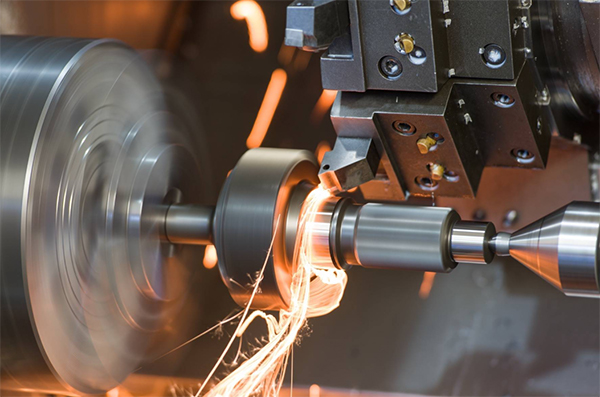
Drehen ist ein Bearbeitungsverfahren, bei dem sich das Werkstück dreht, während ein Schneidwerkzeug entlang oder quer zu seiner Oberfläche bewegt wird. Es wird hauptsächlich zur Herstellung zylindrischer, konischer und Gewindebauteile eingesetzt. Typische Anwendungsgebiete sind Wellen, Bolzen, Buchsen, Schrauben und andere rotierende Teile.
Mahlen
Beim Fräsen wird ein rotierendes Mehrpunkt-Schneidwerkzeug eingesetzt, um Material von einem stationären oder beweglichen Werkstück abzutragen. Es ermöglicht die Herstellung von ebenen Flächen, Nuten, Taschen, Rillen, Konturen und komplexen Profilen. CNC-Fräsmaschinen werden häufig eingesetzt, wenn hohe Genauigkeit und Wiederholbarkeit erforderlich sind.
Bohren
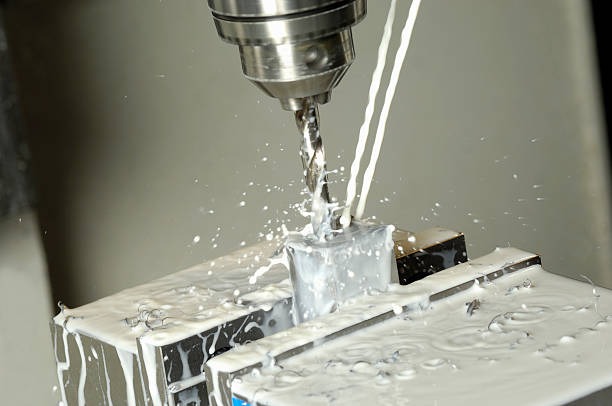
Beim Bohren werden mithilfe eines rotierenden Bohrers runde Löcher in ein Werkstück erzeugt. Es ist eines der häufigsten Bearbeitungsverfahren und wird oft als erster Schritt vor Prozessen wie Ausdrehen, Gewindeschneiden oder Reiben eingesetzt.
Langweilig
Durch Aufbohren wird ein vorhandenes Loch vergrößert oder seine Genauigkeit verbessert. Ein Einpunkt-Schneidwerkzeug trägt eine kontrollierte Materialmenge von der Innenfläche des Lochs ab. Dieses Verfahren wird häufig eingesetzt, wenn höhere Maßgenauigkeit und Ausrichtung erforderlich sind.
Gestaltung
Beim Formfräsen wird Material mithilfe eines oszillierenden Schneidwerkzeugs abgetragen, das sich über das Werkstück hin und her bewegt. Es wird hauptsächlich zur Herstellung von ebenen Flächen, Nuten und Winkelprofilen eingesetzt, insbesondere bei Kleinserien oder in Spezialanwendungen.
Beim abrasiven Bearbeiten wird Material mithilfe harter Schleifpartikel anstelle herkömmlicher Schneidkanten abgetragen. Diese Verfahren eignen sich besonders für die Bearbeitung harter Werkstoffe, wenn hohe Maßgenauigkeit, feine Oberflächengüte oder die Bearbeitung dieser Werkstoffe erforderlich sind.
Schleifen
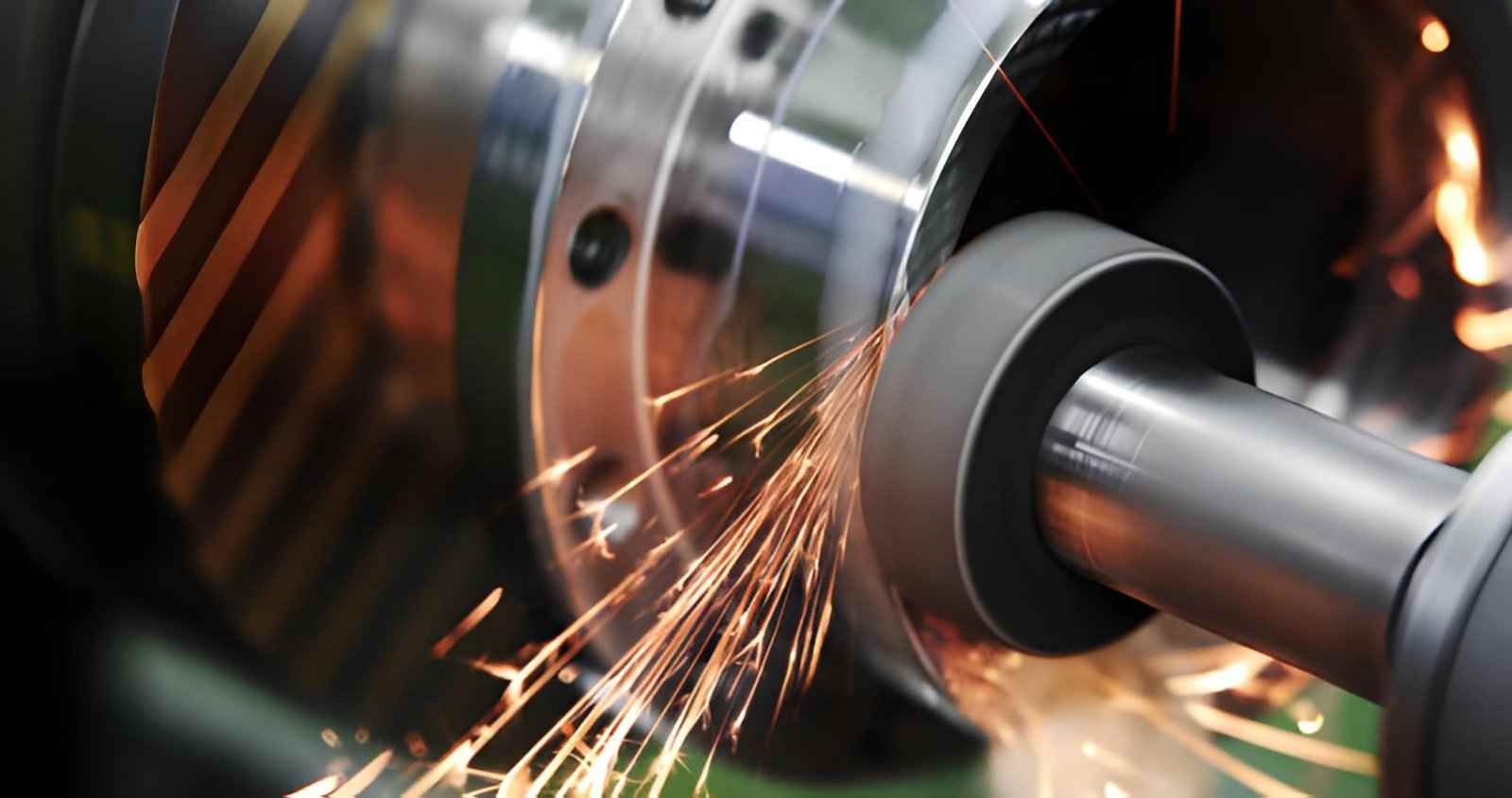
Beim Schleifen wird mit einer rotierenden Schleifscheibe Material in geringen Mengen von einem Werkstück abgetragen. Es ermöglicht hohe Maßgenauigkeit und eine exzellente Oberflächengüte. Schleifen wird häufig für gehärtete Stähle, Präzisionsbauteile, Wellen, Zahnräder und Werkzeugoberflächen eingesetzt.
Honen
Honen ist ein Präzisionsbearbeitungsverfahren, bei dem Schleifsteine eingesetzt werden, um die Geometrie und Oberflächengüte einer bestehenden Bohrung oder zylindrischen Fläche zu verbessern. Es wird häufig für Motorzylinder, Hydraulikkomponenten und Präzisionsbohrungen verwendet.
Runden
Läppen ist ein hochpräzises Bearbeitungsverfahren, bei dem feine Schleifpartikel zwischen Werkstück und Läppfläche eingesetzt werden. Es erzeugt extrem glatte und ebene Oberflächen und wird häufig bei Präzisionsbauteilen, Dichtungen, Messgeräten, optischen Teilen und Passflächen angewendet.
Nicht-traditionelle Bearbeitungsverfahren entfernen Material mithilfe anderer Mechanismen als der herkömmlichen mechanischen Zerspanung. Je nach Verfahren kann der Materialabtrag durch elektrische Energie, chemische Reaktionen, thermische Energie, Ultraschallvibrationen oder Hochdruckflüssigkeiten erfolgen.
EDM (Elektrische Entladungsbearbeitung)
Die Funkenerosion (EDM) entfernt elektrisch leitfähiges Material durch kontrollierte elektrische Funken zwischen einer Elektrode und dem Werkstück. Da kein direkter Kontakt besteht, eignet sich EDM für harte Werkstoffe und komplexe Formen. Sie wird häufig für Formen, Werkzeuge, Kavitäten und kleine Präzisionsstrukturen eingesetzt.
ECM (Elektrochemische Bearbeitung)
Die elektrochemische Bearbeitung (ECM) entfernt Material durch eine kontrollierte elektrochemische Reaktion zwischen Werkstück und Elektrolyt. Da kein direkter Werkzeug-Werkstück-Kontakt stattfindet, werden mechanische Spannungen und Werkzeugverschleiß reduziert. ECM eignet sich besonders für die Bearbeitung komplexer Formen und schwer zerspanbarer, elektrisch leitfähiger Materialien.
Laserstrahlbearbeitung
Die Laserstrahlbearbeitung nutzt einen hochkonzentrierten Laserstrahl, um Material in einem begrenzten Bereich zu schmelzen oder zu verdampfen. Sie ermöglicht die Herstellung kleiner Löcher, komplexer Profile und präziser Schnitte mit geringem Kraftaufwand. Das Verfahren wird für Metalle und andere Werkstoffe in Anwendungen eingesetzt, die feine Konturen erfordern.
Die Wahl zwischen ihnen hängt von den Materialeigenschaften, der Bauteilgeometrie, der Genauigkeit, den Anforderungen an die Oberflächenbeschaffenheit und dem Produktionsvolumen ab.
Vergleichsfaktor | Konventionelle Bearbeitung | Nicht-traditionelle Bearbeitungsmethoden |
Bearbeitungsprinzip | Das Material wird durch mechanisches Schneiden mit einem Schneidwerkzeug abgetragen. | Material wird mittels elektrischer, chemischer, thermischer, Ultraschall- oder flüssigkeitsbasierter Energie abgetragen. |
Werkzeug-/Werkstückkontakt | Im Allgemeinen ist ein direkter physischer Kontakt zwischen dem Schneidwerkzeug und dem Werkstück erforderlich. | Einige Verfahren, wie z. B. EDM, ECM und Laserbearbeitung, erfordern keinen direkten mechanischen Kontakt. |
Materialeignung | Geeignet für viele gängige Metalle, Kunststoffe und technische Werkstoffe. | Besonders geeignet für harte, spröde, hitzebeständige oder schwer zu bearbeitende Werkstoffe. |
Genauigkeit | Kann je nach Maschine, Werkzeug und Prozess eine hohe Genauigkeit bieten. | Oftmals in der Lage, sehr präzise und komplexe Merkmale herzustellen. |
Oberflächenbeschaffenheit | Die Oberflächenbeschaffenheit variiert je nach Bearbeitungsvorgang und Schnittparametern. | Kann gute bis ausgezeichnete Oberflächenqualitäten erzielen, obwohl unter Umständen eine zusätzliche Nachbearbeitung erforderlich sein kann. |
Produktionsanwendungen | Weit verbreitet für allgemeine Fertigung, Reparatur, Prototypenbau und Serienproduktion. | Wird häufig für komplexe Geometrien, harte Materialien, Mikrostrukturen, Formen, Werkzeuge und Spezialbauteile verwendet. |
Beispiele | Drehen, Fräsen, Bohren, Ausdrehen, Formen, Räumen und Reiben. | EDM, ECM, Laserstrahlbearbeitung, Ultraschallbearbeitung und Wasserstrahlbearbeitung. |
Die Auswahl der Bearbeitungswerkzeuge richtet sich nach dem Bearbeitungsvorgang, dem Werkstückmaterial, der geforderten Genauigkeit, den Schnittbedingungen und der gewünschten Oberflächengüte. Das Schneidwerkzeug muss über ausreichende Härte, Zähigkeit, Verschleißfestigkeit und thermische Stabilität verfügen, um Material effizient und ohne übermäßigen Verschleiß oder Ausfall abzutragen.
Einpunkt-Schneidwerkzeuge
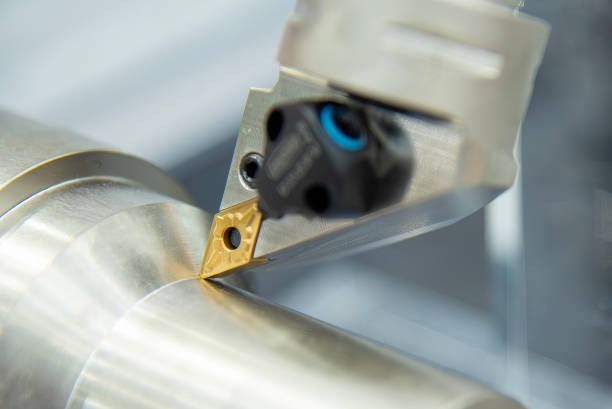
Einpunkt-Schneidwerkzeuge besitzen eine primäre Schneide und werden häufig bei Bearbeitungsvorgängen wie Drehen, Bohren, Formen und Hobeln eingesetzt. Das Werkzeug trägt Material ab, indem es sich relativ zum Werkstück bewegt, egal ob dieses rotiert oder stillsteht.
Mehrpunkt-Schneidwerkzeuge
Mehrpunkt-Schneidwerkzeuge besitzen mehrere Schneidkanten, die Material gleichzeitig oder nacheinander abtragen. Fräser, Bohrer, Reibahlen und Räumnadeln sind gängige Beispiele. Sie ermöglichen einen effizienten Materialabtrag und werden in der Fertigungsbearbeitung häufig eingesetzt.
Schleifwerkzeuge
Schleifwerkzeuge tragen Material durch die Einwirkung harter Schleifpartikel ab. Schleifscheiben, Honsteine und Läpppasten sind gängige Beispiele. Sie werden hauptsächlich für die Präzisionsbearbeitung, Maßkorrektur und die Bearbeitung harter Werkstoffe eingesetzt.
HSS
Schnellarbeitsstahl (HSS) ist ein zäher Werkzeugwerkstoff, der seine Härte auch bei hohen Temperaturen beibehält. HSS-Werkzeuge werden häufig zum Bohren, Gewindeschneiden, Stirnfräsen, Reiben und für andere allgemeine Schneidanwendungen eingesetzt.
Karbid
Hartmetallwerkzeuge bieten eine höhere Härte, Verschleißfestigkeit und Warmhärte als HSS-Werkzeuge. Sie werden häufig für die Hochgeschwindigkeitsbearbeitung von Werkstoffen wie Stahl, Gusseisen, Edelstahl und Aluminium eingesetzt.
Keramik
Keramische Schneidwerkzeuge zeichnen sich durch hervorragende Härte und hohe Temperaturbeständigkeit aus und ermöglichen so den Einsatz bei hohen Schnittgeschwindigkeiten. Sie werden hauptsächlich zur Bearbeitung harter Werkstoffe und für bestimmte Hochgeschwindigkeits-Schlichtbearbeitungen verwendet.
CBN
Kubisches Bornitrid (CBN) ist ein extrem harter Schneidwerkzeugwerkstoff, der vorwiegend für gehärtete Stähle, Gusseisen und andere schwer zerspanbare Werkstoffe eingesetzt wird. Er bietet gute Verschleißfestigkeit und Dimensionsstabilität bei der Präzisionsbearbeitung.
Die Bearbeitungsparameter bestimmen die Wechselwirkung zwischen Schneidwerkzeug und Werkstück. Die richtige Wahl dieser Parameter beeinflusst die Abtragsrate, die Werkzeugstandzeit, die Oberflächengüte, die Maßgenauigkeit, den Energieverbrauch und die Gesamteffizienz der Bearbeitung.
Die Schnittgeschwindigkeit ist die relative Geschwindigkeit, mit der sich die Schneide über die Werkstückoberfläche bewegt. Sie wird üblicherweise in Metern pro Minute (m/min) angegeben. Die geeignete Schnittgeschwindigkeit hängt vom Werkstückmaterial, Werkzeugmaterial, Werkzeugdurchmesser und dem Bearbeitungsprozess ab.
Die Vorschubgeschwindigkeit beschreibt, wie schnell das Schneidwerkzeug oder Werkstück während der Bearbeitung vorgeschoben wird. Sie wird üblicherweise in mm/min oder, je nach Bearbeitungsvorgang, in mm/Umdrehung angegeben. Eine geeignete Vorschubgeschwindigkeit trägt zu einem ausgewogenen Verhältnis von Produktivität, Werkzeugstandzeit, Schnittkräften und Oberflächengüte bei.
Die Schnitttiefe bezeichnet die Dicke des in einem Bearbeitungsgang abgetragenen Materials. Eine größere Schnitttiefe führt in der Regel zu einem höheren Materialabtrag, erhöht aber auch die Schnittkräfte und den Energiebedarf. Schruppbearbeitungen nutzen typischerweise größere Schnitttiefen, während Schlichtbearbeitungen mit geringeren Werten arbeiten.
Die Spindeldrehzahl ist die Rotationsgeschwindigkeit der Spindel oder des Werkstücks und wird üblicherweise in Umdrehungen pro Minute (U/min) gemessen. Sie beeinflusst die Schnittgeschwindigkeit, die Wärmeentwicklung, den Werkzeugverschleiß und die Oberflächengüte. Die optimale Spindeldrehzahl hängt von Faktoren wie Werkzeugdurchmesser und Werkstückmaterial ab.
Unterschiedliche technische Werkstoffe erfordern unterschiedliche Schneidwerkzeuge, Bearbeitungsparameter und Kühlstrategien. Härte, Festigkeit, Wärmeleitfähigkeit, Duktilität und Kaltverfestigungsverhalten des Werkstoffs beeinflussen die Bearbeitungsleistung.
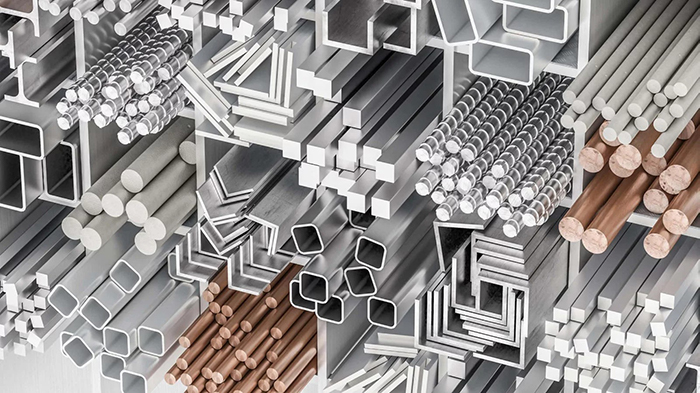
Aluminium ist leicht, relativ einfach zu bearbeiten und besitzt eine gute Wärmeleitfähigkeit. Es wird häufig für Bauteile in der Luft- und Raumfahrt, Automobilindustrie, Gehäuse, Halterungen und Elektronikgehäuse verwendet. Scharfe Werkzeuge und geeignete Schnittbedingungen verhindern Aufbauschneiden und sorgen für eine gute Oberflächengüte.
Stahl zählt zu den am häufigsten bearbeiteten Konstruktionswerkstoffen. Seine Bearbeitbarkeit hängt vom Kohlenstoffgehalt, den Legierungselementen und der Härte ab. Drehen, Fräsen, Bohren und Schleifen sind gängige Verfahren zur Herstellung von Wellen, Zahnrädern, Maschinenteilen und Konstruktionsbauteilen.
Edelstahl bietet eine ausgezeichnete Korrosionsbeständigkeit, ist aber im Vergleich zu herkömmlichen Stählen schwieriger zu bearbeiten. Einige Sorten neigen bei der Bearbeitung zur Kaltverfestigung. Geeignete Schnittgeschwindigkeiten, scharfe Werkzeuge, ausreichende Steifigkeit und eine effektive Kühlmittelzufuhr tragen dazu bei, Wärmeentwicklung und Werkzeugverschleiß zu minimieren.
Titan vereint hohe Festigkeit mit geringer Dichte und ausgezeichneter Korrosionsbeständigkeit und ist daher in der Luft- und Raumfahrt sowie in medizinischen Anwendungen wertvoll. Seine geringe Wärmeleitfähigkeit und hohe Festigkeit können jedoch zu einer erheblichen Wärmeentwicklung in der Schnittzone führen. Sorgfältige Werkzeugauswahl, kontrollierte Schnittparameter und der effektive Einsatz von Kühlmittel sind daher bei der Bearbeitung von Titan unerlässlich.
Gehärteter Stahl zeichnet sich durch hohe Härte und Verschleißfestigkeit aus, was die konventionelle Bearbeitung erschwert. Je nach Härte und geforderter Genauigkeit können Hartmetall-, CBN-, Schleif- und andere geeignete Verfahren zum Einsatz kommen. Gehärtete Bauteile finden sich häufig in Werkzeugen, Formen, Zahnrädern, Lagern und verschleißfesten Maschinenteilen.
Technische Kunststoffe wie PEEK, Nylon, PTFE und Delrin lassen sich durch Fräsen, Drehen, Bohren und andere Bearbeitungsverfahren bearbeiten. Ihre geringe Wärmeleitfähigkeit und relativ geringe Steifigkeit erfordern eine sorgfältige Kontrolle der Schnittbedingungen, um Schmelzen, Verformung, Gratbildung oder Maßungenauigkeiten zu vermeiden.
Die spanende Bearbeitung ist im Maschinenbau weit verbreitet, um präzise Bauteile mit spezifischen Abmessungen, Toleranzen und Oberflächengüten herzustellen. Verschiedene Branchen wählen die Bearbeitungsverfahren je nach Material, Bauteilgeometrie, Produktionsvolumen und geforderter Genauigkeit. CNC-Fräsen, Drehen, Schleifen, Bohren und andere Bearbeitungsmethoden werden häufig zur Herstellung sowohl einfacher als auch hochkomplexer Bauteile eingesetzt.
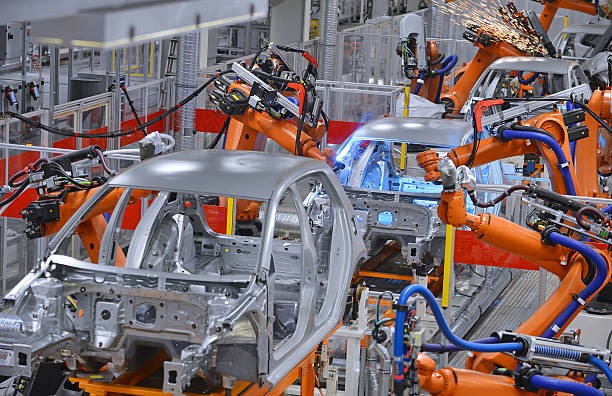
Die spanende Bearbeitung spielt eine wichtige Rolle bei der Herstellung von Automobilkomponenten wie Motorteilen, Wellen, Zahnrädern, Bremskomponenten, Getriebeteilen und Fahrwerkskomponenten. Die CNC-Bearbeitung ermöglicht es Herstellern, auch bei großen Produktionsmengen gleichbleibende Abmessungen und Toleranzen einzuhalten.
Die Luft- und Raumfahrtindustrie nutzt die spanende Bearbeitung zur Herstellung von Bauteilen wie Turbinenteilen, Triebwerkskomponenten, Fahrwerksteilen, Strukturbauteilen und Flugzeugbeschlägen. Gängige Werkstoffe sind Aluminium, Titan und hochfeste Legierungen.
Die spanende Bearbeitung dient der Herstellung medizinischer Komponenten wie chirurgischer Instrumente, orthopädischer Implantate, zahnmedizinischer Komponenten und Teile für medizinische Geräte. CNC-Bearbeitung eignet sich für Materialien wie Titan, Edelstahl, Kobalt-Chrom-Legierungen und technische Kunststoffe.
Die spanende Bearbeitung ist unerlässlich für die Herstellung von Formen, Werkzeugen, Kavitäten, Kernen und Präzisionswerkzeugen für die Fertigung. CNC-Fräsen, EDM, Schleifen und andere Präzisionsverfahren ermöglichen die Herstellung komplexer Kavitäten und detaillierter Oberflächen.
Industriemaschinenhersteller nutzen die spanende Bearbeitung zur Herstellung von Wellen, Gehäusen, Zahnrädern, Halterungen, Flanschen, Rollen, Lagern und anderen Maschinenkomponenten. Konventionelle und CNC-Bearbeitungsverfahren können je nach Bauteilgröße, Material, geforderter Genauigkeit und Produktionsanforderungen ausgewählt werden.
Bearbeitungsproblem | Häufige Ursachen | Mögliche Lösungen |
Werkzeugverschleiß | Zu hohe Schnittgeschwindigkeit, falsche Vorschubgeschwindigkeit, zu hohe Schnitttemperatur, ungeeignetes Werkzeugmaterial oder zu lange Bearbeitungszeit. | Wählen Sie das passende Schneidwerkzeug, optimieren Sie Schnittgeschwindigkeit und Vorschub, verwenden Sie ein geeignetes Kühlmittel und tauschen Sie verschlissene Werkzeuge in den entsprechenden Abständen aus. |
Rattern und Vibrationen | Mangelhafte Werkstückspannung, zu großer Werkzeugüberhang, geringe Maschinensteifigkeit, falsche Schnittparameter oder eine instabile Einrichtung. | Verbessern Sie die Werkstückspannung, reduzieren Sie den Werkzeugüberhang, erhöhen Sie die Aufspannung, wählen Sie geeignete Schnittparameter und verwenden Sie eine besser geeignete Werkzeuggeometrie. |
Mangelhafte Oberflächenbeschaffenheit | Verschleiß des Schneidwerkzeugs, zu hoher Vorschub, Vibrationen, falsche Schnittgeschwindigkeit oder unzureichendes Schlichtzugabe. | Verwenden Sie ein scharfes und geeignetes Werkzeug, optimieren Sie Vorschub und Drehzahl, reduzieren Sie Vibrationen, führen Sie einen geeigneten Nachbearbeitungsgang durch und achten Sie auf einen ausreichenden Kühlmittelfluss. |
Dimensionsungenauigkeit | Werkzeugdurchbiegung, Wärmeausdehnung, Maschinenfehlausrichtung, Werkzeugverschleiß, falsche Versätze oder instabile Werkstückspannung. | Prüfen Sie die Maschinenkalibrierung, verifizieren Sie die Werkzeugkorrekturen, verbessern Sie die Werkstückspannung, kompensieren Sie den Werkzeugverschleiß, kontrollieren Sie die Temperatur und prüfen Sie die Abmessungen während der Bearbeitung. |
Übermäßige Hitze | Zu hohe Schnittgeschwindigkeit, zu hohe Schnittkräfte, unzureichende Kühlung, stumpfe Werkzeuge oder mangelhafte Spanabfuhr. | Reduzieren Sie gegebenenfalls die Schnittgeschwindigkeit, verwenden Sie scharfe Werkzeuge, verbessern Sie die Kühlmittelzufuhr, optimieren Sie Vorschub und Schnitttiefe und sorgen Sie für eine effiziente Spanabfuhr. |
1.Was versteht man unter Zerspanung im Maschinenbau?
Die spanende Bearbeitung ist ein Fertigungsprozess, bei dem unerwünschtes Material von einem Werkstück entfernt wird, um die gewünschte Form, Abmessungen und Oberflächengüte zu erzielen. Gängige Bearbeitungsverfahren sind Drehen, Fräsen, Bohren, Schleifen und Ausdrehen.
2.Worin besteht der Unterschied zwischen konventioneller und unkonventioneller Bearbeitung?
Konventionelle Bearbeitungsverfahren entfernen Material im Allgemeinen durch direkten mechanischen Kontakt zwischen Schneidwerkzeug und Werkstück. Nicht-konventionelle Bearbeitungsverfahren nutzen andere Energieformen, wie beispielsweise elektrische, thermische, chemische, Ultraschall- oder Hochdruck-Fluidenergie, um Material abzutragen.
3.Welche Bearbeitungsverfahren sind am häufigsten?
Gängige Bearbeitungsverfahren sind Drehen, Fräsen, Bohren, Ausdrehen, Schleifen, Reiben, Räumen und Formfräsen. Das geeignete Verfahren hängt von der geforderten Geometrie, dem Material, der Genauigkeit und der Oberflächengüte des Bauteils ab.
4.Was sind die wichtigsten Bearbeitungsparameter?
Zu den wichtigsten Bearbeitungsparametern zählen Schnittgeschwindigkeit, Vorschub, Schnitttiefe, Spindeldrehzahl und Zerspanungsleistung. Die richtige Wahl dieser Parameter beeinflusst Produktivität, Werkzeugstandzeit, Oberflächengüte, Schnittkräfte und Maßgenauigkeit.
5.Welches Bearbeitungsverfahren eignet sich am besten für hochpräzise Bauteile?
Es gibt kein Verfahren, das für jedes hochpräzise Bauteil optimal ist. Schleifen, Honen, Läppen, CNC-Bearbeitung und bestimmte unkonventionelle Verfahren können je nach Material, Geometrie, Toleranz und geforderter Oberflächengüte hohe Präzision ermöglichen.
6.Welche Werkstoffe können bearbeitet werden?
Die spanende Bearbeitung kann an einer Vielzahl von Werkstoffen durchgeführt werden, darunter Aluminium, Stahl, Edelstahl, Titan, gehärteter Stahl, Gusseisen, technische Kunststoffe und verschiedene Legierungen. Werkzeugauswahl und Bearbeitungsparameter müssen an die Werkstoffeigenschaften angepasst werden.
Die spanende Bearbeitung ist ein grundlegender Fertigungsprozess im Maschinenbau, der die Herstellung präziser, funktionaler und komplexer Bauteile ermöglicht. Von konventionellen Verfahren wie Drehen, Fräsen und Bohren bis hin zu fortschrittlichen CNC-, abrasiven und unkonventionellen Verfahren – jedes Bearbeitungsverfahren hat seine spezifischen Anwendungsbereiche und Vorteile.
Bei CNC Yangsen bieten wir fortschrittliche CNC-Bearbeitungslösungen für vielfältige industrielle Fertigungsanforderungen. Unser Team unterstützt Sie gerne bei der Auswahl der passenden CNC-Maschine für Ihre Anwendung. Kontaktieren Sie CNC Yangsen heute, um Ihre Bearbeitungsanforderungen zu besprechen und die richtige Lösung für Ihre Produktionsbedürfnisse zu finden.

STICHWORTE :