A CNC drilling and tapping machine is built for one type of work: small parts with many holes and threads, produced in volume. Plates, housings, brackets, and valve bodies are typical. On these parts the spindle spends most of the cycle accelerating, decelerating, and changing tools rather than cutting.
Two machines with the same table size can differ by several seconds in each hole cycle. On a part with 30 holes at 20,000 parts a year, that adds up to weeks of capacity. This is why travel and spindle power alone will not tell you which machine to buy.
The most reliable way to choose is to begin with the parts you make. Define the part size, hole and thread requirements, batch size, and the weight of the part with its fixture. Then match those requirements to machine type, spindle, tool magazine, and supplier support.
Before you compare spindle speed, travel, or magazine capacity, review the parts you need to produce.
Take a typical drawing and answer these questions:
|
Your Requirement |
What It Determines |
|
Part dimensions |
X, Y, Z travel and table size |
|
Part and fixture weight |
Table load capacity |
|
Hole diameter and thread size |
Spindle torque and rigid tapping requirement |
|
Number of tools per part |
Tool magazine capacity |
|
Batch size and target cycle time |
Rapid traverse and tool change time |
|
Delivery location |
Spare parts lead time and service coverage |
Two entries in the table deserve extra attention. Table load is usually the tighter limit in this class: the Yangsen YST range supports 250 kg to 350 kg, so weigh the part together with its fixture. On threads, a 20,000 rpm spindle performs well on small drills in aluminum, but tapping M12 in steel depends on low-speed torque. List your largest thread and deepest hole.
What is your target cycle time per part? Decide it before you compare machines. A written target lets you ask each supplier for a machining time estimate on your own part, which is easier to compare than a specification sheet.
Include tooling, power, fixtures, operator training, spare parts, and the cost of one day of stopped production.
Ask where the nearest service engineer is and how long spare parts take to reach your port, before you compare prices. Yangsen reports more than 50 sales outlets and 24/7 after-sales support.
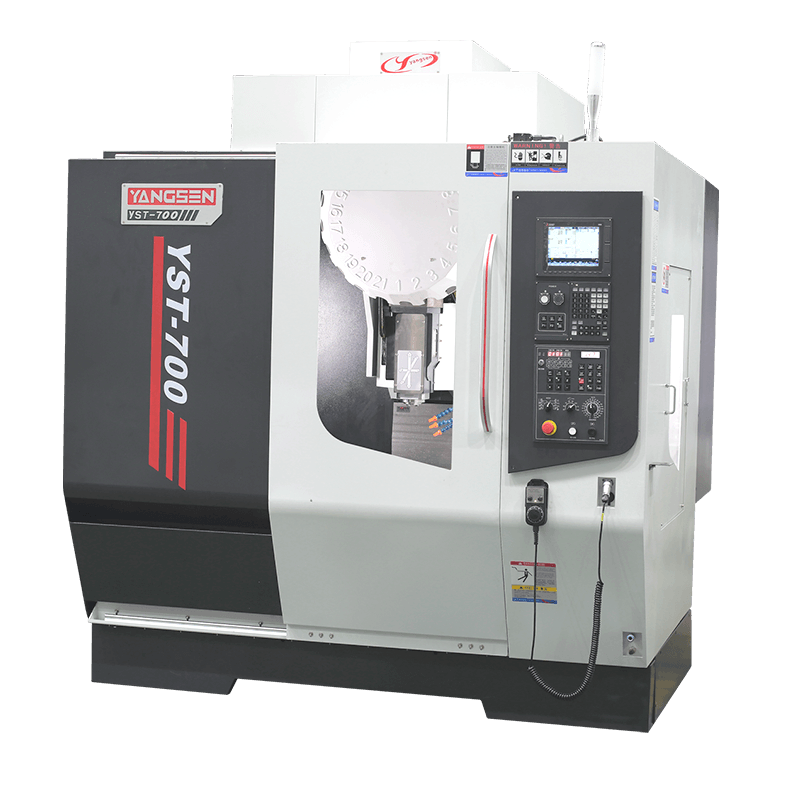
This is the most common choice: a compact BT30 machining center with a light spindle head built for fast positioning. The Yangsen YST series covers 600 mm to 800 mm of X travel, uses 20,000 rpm direct-drive (DDS) spindles on linear guideways, and reaches 48 m/min rapid traverse on all axes.
Best suited to: Plates, housings, brackets, and covers in medium to high volume.
This type adds an A/C cradle table to the same BT30 design, so angled holes and multiple faces are machined in one setup. The Yangsen U-380T has a Ø260 table with ±110°/360° A/C movement, a 20,000 rpm DDS spindle, 24 m/min rapid traverse, and a 21- or 36-tool disc magazine. It sits between a drilling and tapping center and a full five-axis machining center.
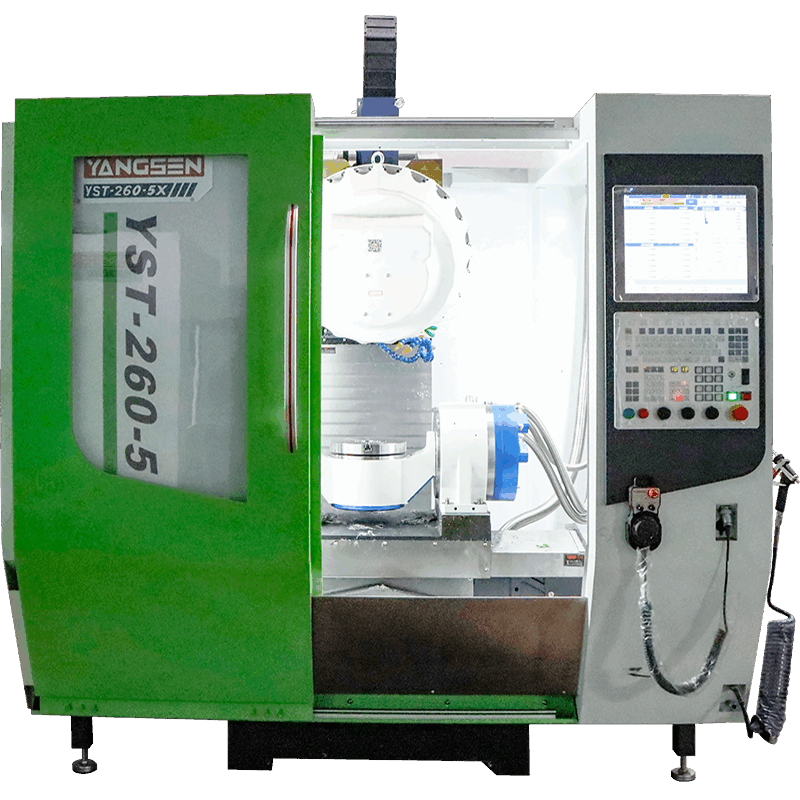
Best suited to: Complex small parts, medical and semiconductor components, mold inserts.
A vertical machining center can drill and tap, but it is designed for heavier cutting. Yangsen vertical machining centers use BBT40 and BBT50 spindles at 15,000 rpm and below, with table loads from 800 kg to 2,000 kg.
Best suited to: Heavier parts and mixed job shop work.
If you produce one part family in very high volume, a multi-spindle machine lowers your cost per piece. The Yangsen YSD4-260 has four spindles and the YSD8-565 has eight, both with 24,000 rpm motorized BT30 spindles in a box-structure frame.
Best suited to: Single-product plants with dense hole patterns.
|
Machine Type |
Suitable Parts |
Volume |
Typical Buyer |
|
3-axis drilling and tapping center (YST) |
Plates, housings, brackets, covers |
Medium to high |
Subcontract machine shops |
|
5-axis cradle (U-380T) |
Complex small parts, mold inserts |
Small to medium |
Medical, semiconductor, mold |
|
Standard VMC (YSV) |
Heavier parts, deep pockets |
Low to medium |
General job shops |
|
Multi-spindle (YSD4 / YSD8) |
One part family, dense holes |
Very high |
Single-product plants |
|
Engraving and milling (YS) |
Electrodes, fine mold detail |
Low to medium |
Mold and electrode shops |
Three questions usually identify the right row. What is your largest part and heaviest fixture? How many holes and threads are on one part? How many parts do you need each month?
Two machines can list similar specifications and perform differently. Check these four items on every machine.
Check the taper before the speed. BT30 accelerates and decelerates faster than BT40, which is why the YST series and the U-380T both use it: on parts with many holes, spindle acceleration affects cycle time more than cutting speed does. A direct-drive (DDS) spindle removes the belt, reducing vibration and heat at 20,000 rpm. Choose BT40 only if your largest tool needs the extra torque.
Count the tools your part family requires, then add about one third for replacement tooling. The YST series uses a disc-type changer, and the U-380T is available with 21 or 36 positions. Ask each supplier two questions. What is the tool-to-tool change time? Does it change when the magazine is full?
All YST models use three-axis linear guideways, which suit fast positioning under light cutting loads. Box guideways carry more load but move more slowly. Structure matters as well: the YSD machines use a box design to hold rigidity while several spindles cut at once.
Rigid tapping synchronizes spindle rotation with Z-axis feed, so the tap cuts the thread without a floating holder. It is normally required for blind holes and fine pitches. Confirm in writing whether it is standard or optional, which control package provides it, and the maximum tapping speed under load.
The table below lists the specifications that most affect output on parts with many holes, taken from the Yangsen 2026 product catalogue.
|
Model |
X/Y/Z Travel (mm) |
Table Size / Max Load |
Spindle |
Rapid Traverse (m/min) |
Dimensions L×W×H (mm) |
|
YST-650 |
600 / 500 / 300 |
700×470 mm / 250 kg |
BT30, 20,000 rpm, DDS |
48 / 48 / 48 |
2180×2580×2325 |
|
YST-700 |
700 / 400 / 350 |
800×420 mm / 300 kg |
BT30, 20,000 rpm, DDS |
48 / 48 / 48 |
2253×2900×2387 |
|
YST-800 |
800 / 450 / 410 |
1000×450 mm / 350 kg |
BT30, 20,000 rpm, DDS |
48 / 48 / 48 |
2253×2900×2387 |
|
YST-850 |
800 / 500 / 300 |
1000×450 mm / 350 kg |
BT30, 20,000 rpm, DDS |
48 / 48 / 48 |
2253×2910×2325 |
|
U-380T (5-axis) |
600 / 450 / 410 |
Ø260 rotary / 80 kg |
BT30, 20,000 rpm, DDS |
24 / 24 / 24 |
2300×2900×2587 |
All YST models share three-axis linear guideways, 3-14×125 mm T-slots, and a disc-type tool changer.
Three points are worth noting. Rapid traverse is the same across the YST range at 48 m/min, so these drilling and tapping centers differ in size rather than speed. Table load increases with machine size, so a heavy fixture often decides the model before travel does. The U-380T trades rapid traverse and table load for one-setup machining.
Run this calculation before you negotiate. Multiply the seconds saved per part by your monthly output, then divide by 3,600. The result is the machine hours you recover each month. Value those hours at your shop rate and compare the annual figure with the price difference between the machines.
Yangsen lists the YST series for rapid drilling, tapping, and milling of small parts in four industries. These applications share the same characteristics: many holes, moderate cutting forces, repeat production.
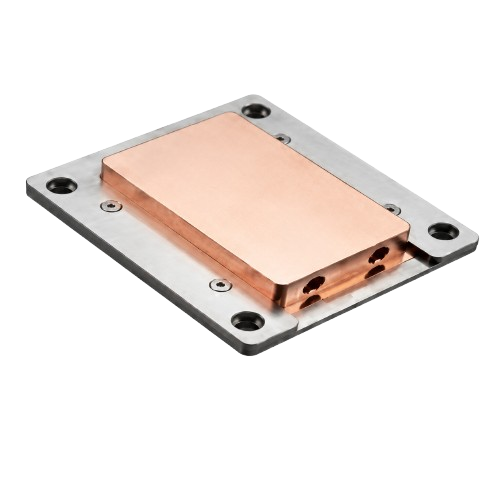
Cooling parts with dense fins form a separate application: hundreds of shallow features, very little material removed per pass, and heavy dependence on cycle time. Yangsen produces a dedicated machine for this work: the YSCP-835 fin machining center, whose multi-station fixture machines several fins in one pass. If cooling components are a growing part of your production, request a quotation for it alongside a standard machine.
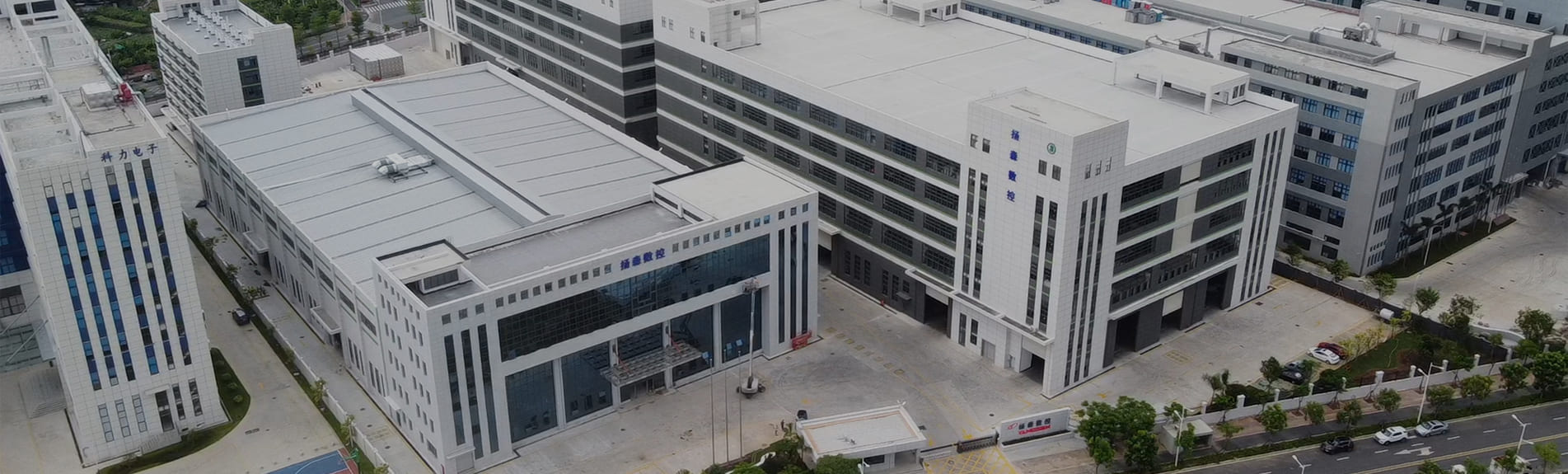
China produces a large share of the drilling and tapping machines sold worldwide, at a wide range of quality levels. The checks below help you separate a manufacturer from a trading company.
Which components are produced in-house, and which are purchased? Ask about castings, spindles, guideways, and control integration. Review assembly conditions, inspection equipment, and work in progress. Yangsen reports the following.
Send a drawing and, where possible, your own material. A trial cut using your fixture and tolerance answers more than a specification sheet and gives you a documented acceptance baseline.
Used drilling and tapping centers from China are widely available and some are in good condition. However, spindle running hours, guideway wear, and control system support are often undocumented. Unless you can inspect the machine and obtain a spindle report, the price difference may not cover the risk.
Agree the delivery date, the Incoterm, who pays for installation travel, and the acceptance criteria. Add the recommended spare parts list, the delivery time to your port, and the training days included. Unclear terms here are a common cause of disputes on imported machine tools.
Q: What is rigid tapping, and do I need it?
A: It synchronizes spindle rotation with Z-axis feed, so the tap cuts the thread without a compensating holder. It is faster and more consistent than floating tapping, and is normally required for blind holes and fine pitches. If you tap in volume, specify it.
Q: Should I choose BT30 or BT40?
A: Choose BT30 for small parts with many holes, where acceleration and tool change time determine the cycle. Choose BT40 when your largest tool needs the torque, or when the machine must also take a heavy roughing cut.
Q: How do I program rigid tapping?
A: Most control systems use a canned cycle, such as G84 for right-hand tapping, with the spindle set to rigid mode first. Feed per revolution must match the thread pitch exactly; a mismatch is the usual cause of damaged threads. Ask the supplier for worked examples during commissioning.
Q: How much does a CNC drilling and tapping machine cost?
A: Price depends on machine size, control package, magazine capacity, and options far more than on the model name, so a single figure is not useful. Send your part drawing and monthly volume and ask for a configured quotation, which is the figure you can compare.
Q: Is a used drilling and tapping center from China a good idea?
A: Only if you can inspect the machine, verify spindle running hours, and confirm the control system is still supported. Otherwise the price difference rarely covers the risk.
Q: What is the lead time, and what does installation include?
A: Lead time depends on configuration and current order backlog, so have it written into the quotation. Installation normally covers levelling, power-up, geometric checks, a test cut, and operator training. Confirm the days included before you sign.
Selecting a drilling and tapping machine involves three steps in order. First, match the machine type to your parts. Second, check the four components that determine speed and service life. Third, verify the supplier. Specifications become useful only after the type is correct.
For a recommendation on your own production, send a part drawing with the material, tolerance, and monthly volume. Before you order, request a configured specification sheet, a trial cut, and a machining demonstration.