CNC-Fräsen ist eines der am weitesten verbreiteten Fertigungsverfahren zur Herstellung präzisionsgefertigter Bauteile in Branchen wie Luft- und Raumfahrt, Automobilindustrie, Medizintechnik, Elektronik, Energiewirtschaft und Anlagenbau. Das Verfahren ermöglicht es Herstellern, hochpräzise Teile mit komplexen Geometrien zu fertigen und dabei eine gleichbleibende Qualität während der gesamten Produktion zu gewährleisten.
Hervorragende Ergebnisse beim CNC-Fräsen lassen sich jedoch nicht allein durch den Einsatz einer modernen CNC-Maschine erzielen. Qualität und Präzision eines bearbeiteten Bauteils hängen von einer Vielzahl von Faktoren ab, die während des gesamten Fertigungsprozesses zusammenwirken. Maschinenzustand, Schneidwerkzeuge, Bearbeitungsparameter, Werkstückmaterialien, Spannmethoden, Umgebungsbedingungen und Qualitätskontrollverfahren beeinflussen das Ergebnis maßgeblich.
Für Hersteller in anspruchsvollen Branchen ist das Verständnis der Faktoren, die die Qualität des CNC-Fräsens beeinflussen, unerlässlich. Durch die Optimierung jedes einzelnen Bearbeitungsschritts können Unternehmen Fehler reduzieren, die Produktivität steigern, die Werkzeugstandzeit verlängern und Bauteile herstellen, die strengen technischen Spezifikationen entsprechen.
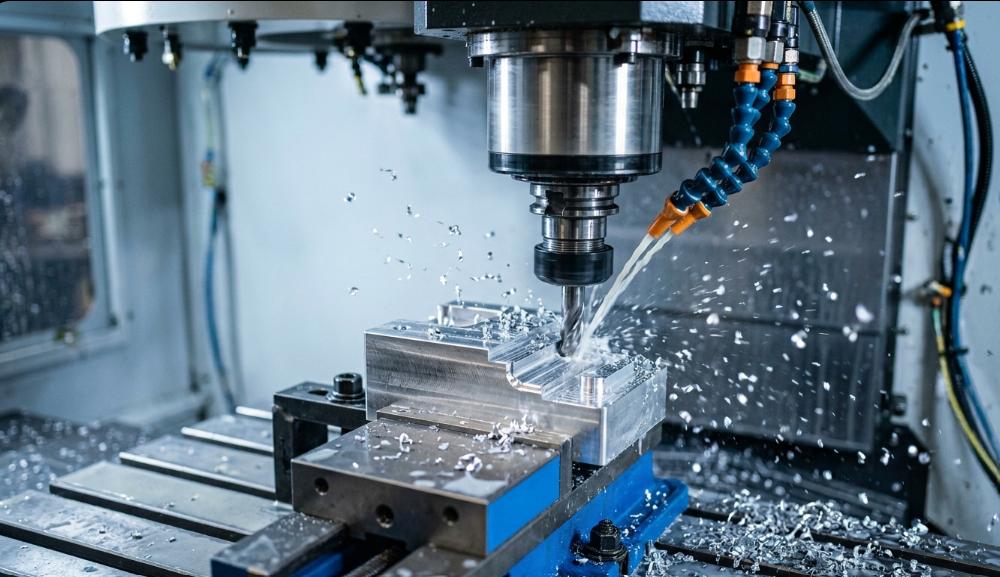
Die Qualität von CNC-Fräsarbeiten wird daran gemessen, wie genau und konsistent ein Bauteil seine Konstruktionsvorgaben erfüllt. Hersteller bewerten die Qualität im Allgemeinen anhand von vier Hauptkriterien.
Die Maßgenauigkeit beschreibt, wie genau ein fertiges Bauteil den in technischen Zeichnungen oder CAD-Modellen angegebenen Maßen entspricht. Selbst geringfügige Maßabweichungen können Montageprobleme verursachen, die Produktleistung beeinträchtigen oder in kritischen Anwendungen zum Ausfall von Bauteilen führen.
Branchen wie die Luft- und Raumfahrt, die Medizintechnik und die Automobilproduktion erfordern oft extrem enge Toleranzen, weshalb die Maßgenauigkeit einer der wichtigsten Indikatoren für die Bearbeitungsqualität ist.
Die Oberflächenbeschaffenheit beschreibt die Textur und Glätte einer bearbeiteten Oberfläche. Eine hochwertige Oberflächenbeschaffenheit verbessert sowohl die funktionelle als auch die ästhetische Leistung. In vielen Anwendungsbereichen beeinflusst die Oberflächenqualität direkt die Verschleißfestigkeit, die Reibungswerte, die Dichtwirkung, die Dauerfestigkeit und die Korrosionsbeständigkeit.
Geometrische Toleranzen bewerten Form, Ausrichtung und Position bestimmter Merkmale innerhalb eines Bauteils. Ein Bauteil kann die Maßvorgaben erfüllen, aber dennoch versagen, wenn die geometrischen Toleranzen nicht eingehalten werden. Eine präzise geometrische Kontrolle gewährleistet Passgenauigkeit, Ausrichtung und Funktionalität.
Die moderne Fertigung erfordert die Fähigkeit, große Mengen identischer Bauteile herzustellen. Wiederholgenauigkeit bezeichnet die Fähigkeit einer Maschine, über mehrere Produktionszyklen hinweg Teile mit gleichbleibenden Spezifikationen zu fertigen.
Die Aufrechterhaltung der Wiederholbarkeit ist unerlässlich, um Fehler zu reduzieren, Abfall zu minimieren und die Kundenzufriedenheit zu gewährleisten.
Jedes Material stellt einzigartige Herausforderungen an die Bearbeitung, die bewältigt werden müssen, um die Qualität zu erhalten.
Material | Häufige Herausforderungen beim CNC-Fräsen |
Aluminium | Gratbildung, Aufbauschneiden, Werkzeughaftung |
Edelstahl | Kaltverfestigung, hohe Schnitttemperaturen |
Titan | Schneller Werkzeugverschleiß, Wärmekonzentration und geringe Wärmeleitfähigkeit |
Inconel | Hohe Schnittkräfte, Wärmeentwicklung und verkürzte Werkzeugstandzeit |
Technische Kunststoffe | Thermische Verzerrung, Schwierigkeiten bei der Chipsteuerung |
Das Verständnis dieser Herausforderungen ermöglicht es den Herstellern, geeignete Werkzeug-, Kühlungs- und Bearbeitungsstrategien umzusetzen.
Der CNC-Maschine Sie bildet die Grundlage für präzise Bearbeitungsprozesse. Selbst hochwertige Werkzeuge und fortschrittliche Programmierung können eine Maschine, der es an Steifigkeit, Kalibrierung oder thermischer Stabilität mangelt, nicht kompensieren. Die Steifigkeit der Maschine trägt dazu bei, Verformungen während der Zerspanung zu widerstehen und somit Maßabweichungen und Vibrationen zu reduzieren.
Die Spindelgenauigkeit gewährleistet präzise Werkzeugrotation und -positionierung, während regelmäßige Maschinenkalibrierung die Ausrichtungs- und Bewegungsgenauigkeit sicherstellt. Thermische Stabilität ist ebenso wichtig, da Temperaturschwankungen zu Ausdehnung oder Zusammenziehen von Maschinenkomponenten und damit zu Abweichungen von den Werkstückabmessungen führen können. Effektive Vibrations- und Ratterdämpfung verbessern die Oberflächengüte, die Werkzeugstandzeit und die Gesamtbearbeitungskonsistenz.
Schneidwerkzeuge Oberflächengüte, Maßgenauigkeit und Produktionseffizienz werden direkt beeinflusst. Die Wahl des richtigen Werkzeugmaterials, der passenden Geometrie und Beschichtung gewährleistet eine gleichbleibende Bearbeitungsleistung bei unterschiedlichen Werkstückmaterialien. Hartmetallwerkzeuge werden aufgrund ihrer Verschleißfestigkeit und Hitzebeständigkeit häufig für die Hochgeschwindigkeitsfertigung eingesetzt.
Die Werkzeuggeometrie, einschließlich Spanwinkel, Spiralwinkel und Schneidengeometrie, beeinflusst den Spanabtransport und die Schnittkräfte. Moderne Beschichtungen wie TiN, TiAlN und AlTiN reduzieren die Reibung und verbessern die Standzeit. Die regelmäßige Überwachung von Werkzeugverschleiß und Rundlaufgenauigkeit ist unerlässlich, um die Bearbeitungsqualität zu sichern und Maßabweichungen zu vermeiden.
Werkzeugmaterial | Hauptmerkmale | Beste Anwendungen |
Karbid | Hohe Härte, ausgezeichnete Verschleißfestigkeit, überlegene Hitzebeständigkeit | Stahl, Edelstahl, Titan, Großserienfertigung |
HSS (Hochgeschwindigkeitsstahl) | Gute Zähigkeit, kostengünstig, geeignet für mittlere Schnittgeschwindigkeiten | Allgemeine Bearbeitung und weichere Werkstoffe |
Keramik | Außergewöhnliche Hitzebeständigkeit, geeignet für die Bearbeitung mit sehr hohen Geschwindigkeiten. | Gehärtete Stähle und hitzebeständige Legierungen |
PCD (Polykristalliner Diamant) | Extrem hohe Verschleißfestigkeit und hervorragende Oberflächengüte | Aluminium, Verbundwerkstoffe, Graphit, Nichteisenmetalle |
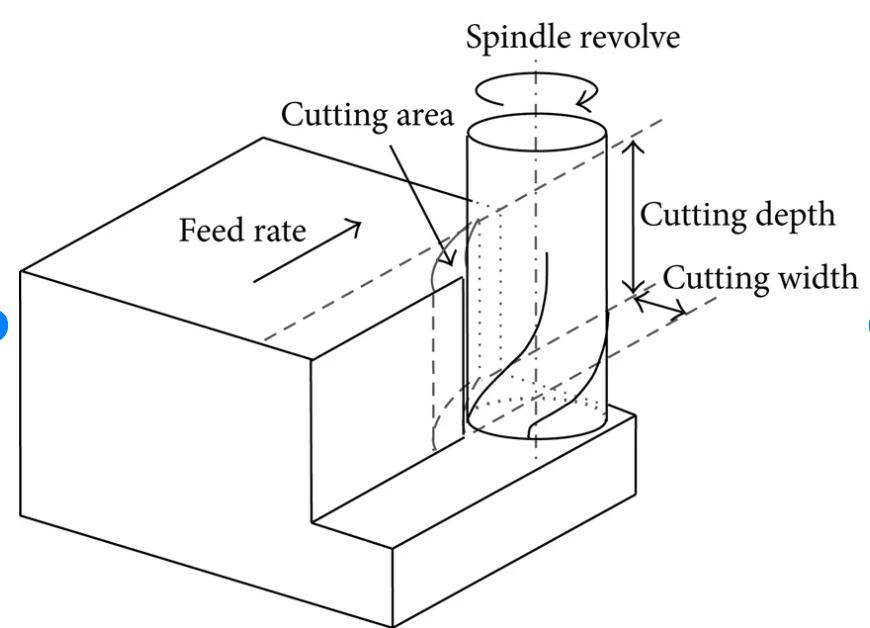
Die Bearbeitungsparameter bestimmen die Wechselwirkung zwischen Schneidwerkzeug und Werkstück. Eine falsche Parameterwahl kann zu übermäßiger Wärmeentwicklung, schlechter Oberflächengüte, Werkzeugverschleiß und Maßungenauigkeiten führen. Zu den wichtigsten Parametern zählen Schnittgeschwindigkeit, Vorschub, Schnitttiefe und Zustellung.
Höhere Schnittgeschwindigkeiten können die Produktivität steigern, aber auch zu erhöhter Wärmeentwicklung und stärkerem Verschleiß führen. Die Vorschubgeschwindigkeit muss optimiert werden, um ein ausgewogenes Verhältnis zwischen Effizienz und Oberflächenqualität zu erzielen. Schnitttiefe und Zustellung beeinflussen sowohl die Abtragsrate als auch die Bearbeitungsstabilität. Darüber hinaus trägt die Wahl der richtigen Werkzeugwegstrategie dazu bei, Vibrationen zu reduzieren und die Bearbeitungseffizienz zu verbessern.
Die Materialeigenschaften haben einen erheblichen Einfluss auf die Bearbeitungsleistung und -präzision. Unterschiedliche Werkstoffe reagieren unterschiedlich auf Schnittkräfte, Wärmeentwicklung und Werkzeuginteraktion. Harte Werkstoffe erhöhen häufig den Werkzeugverschleiß und den Schnittwiderstand, während weichere Werkstoffe zu Gratbildung oder Materialanhaftungsproblemen führen können.
Die Materialfestigkeit beeinflusst die Bearbeitungskräfte, und die Wärmeleitfähigkeit bestimmt, wie effizient die Wärme beim Schneiden abgeführt wird. Werkstoffe wie Titan, Edelstahl und Inconel erfordern spezielle Bearbeitungsstrategien, da sie höhere Temperaturen erzeugen und den Werkzeugverschleiß beschleunigen.
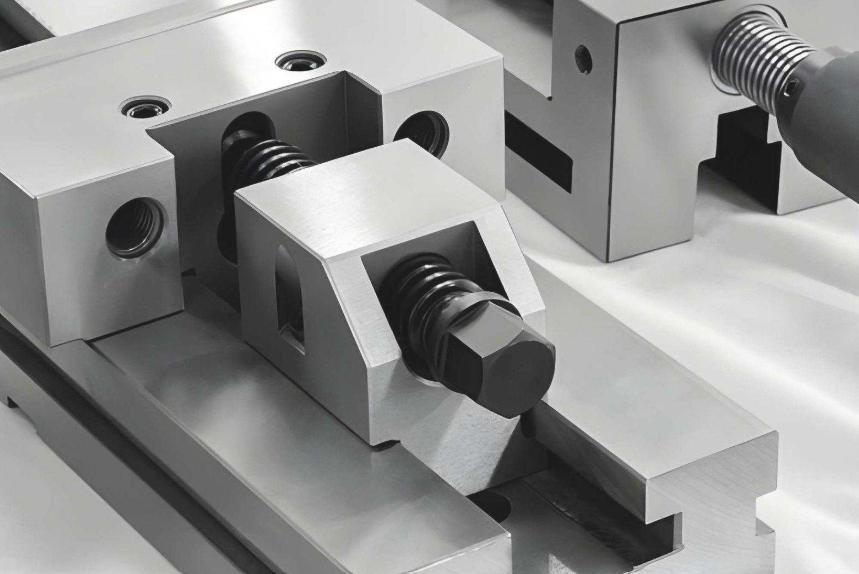
Ein stabiles Spannsystem ist entscheidend für die Aufrechterhaltung der Werkstückgenauigkeit während des gesamten Bearbeitungsprozesses. Selbst geringfügige Werkstückbewegungen können zu Maßabweichungen und mangelhafter Oberflächenqualität führen.
Eine geeignete Vorrichtungskonstruktion gewährleistet ausreichende Unterstützung und Stabilität und ermöglicht gleichzeitig den Zugang zu kritischen Bearbeitungsbereichen. Die Spannkraft muss sorgfältig gesteuert werden, um Bewegungen zu verhindern, ohne das Werkstück zu verformen. Eine effektive Vorrichtung minimiert Vibrationen, verbessert die Wiederholgenauigkeit und trägt zu einer gleichbleibenden Bearbeitungsleistung über alle Produktionsläufe hinweg bei.
Kühlung und Schmierung spielen eine entscheidende Rolle bei der Wärmeregulierung und Reibungsreduzierung während CNC-Fräsprozessen. Ohne effektive Kühlmittelzufuhr können überhöhte Temperaturen Werkzeuge beschädigen, Werkstücke verformen und die Bearbeitungsgenauigkeit beeinträchtigen.
Kühlschmierstoffe verlängern die Werkzeugstandzeit, verbessern die Oberflächengüte und unterstützen den Spanabtransport. Gängige Kühlmethoden sind die Flutkühlung, Hochdruckkühlsysteme, Nebelkühlung und die Kühlmittelzufuhr durch das Werkzeug. Ein adäquates Wärmemanagement und eine effektive Spanabfuhr tragen zu stabilen Schnittbedingungen und gleichbleibender Teilequalität bei.
Die Fertigungsumgebung kann die Präzision beim CNC-Fräsen erheblich beeinflussen, insbesondere bei Anwendungen mit engen Toleranzen. Temperaturschwankungen können zu einer Wärmeausdehnung von Maschinenteilen, Werkzeugen und Werkstücken führen und somit Maßabweichungen verursachen.
Zu hohe Luftfeuchtigkeit kann Korrosion und Materialinstabilität begünstigen, während Staub und Verunreinigungen die Maschinenleistung und Messgenauigkeit beeinträchtigen können. Die Aufrechterhaltung einer kontrollierten Produktionsumgebung gewährleistet eine langfristig gleichbleibende Bearbeitungsqualität.
Obwohl die CNC-Bearbeitung hochgradig automatisiert ist, sind qualifizierte Bediener weiterhin unerlässlich, um optimale Ergebnisse zu erzielen. Erfahrene Zerspanungsmechaniker verstehen die Wechselwirkungen der Bearbeitungsvariablen und können potenzielle Probleme erkennen, bevor diese die Produktqualität beeinträchtigen.
Eine präzise Maschineneinrichtung, die richtige Werkzeugauswahl und die kontinuierliche Prozessüberwachung tragen zu einer stabilen Bearbeitungsleistung bei. Vorbeugende Wartungsprogramme verbessern die Zuverlässigkeit zusätzlich, indem sie ungeplante Ausfallzeiten reduzieren und die Maschinengenauigkeit erhalten.
Die Qualitätskontrolle gewährleistet, dass die bearbeiteten Bauteile stets den technischen Spezifikationen und Kundenanforderungen entsprechen. Moderne Hersteller integrieren Prüfverfahren in den gesamten Produktionsprozess, anstatt sich ausschließlich auf die Endprüfung zu verlassen. Die Erstmusterprüfung (FAI) stellt die Prozessbereitschaft sicher, bevor die Serienproduktion beginnt.
Prozessbegleitende Prüfungen helfen, Probleme frühzeitig zu erkennen und Ausschuss sowie Nacharbeit zu reduzieren. Koordinatenmessgeräte (KMG) ermöglichen eine hochpräzise Maßprüfung, während die statistische Prozesskontrolle (SPC) Herstellern hilft, Trends zu erkennen, Abweichungen zu minimieren und die Produktionskonsistenz insgesamt zu verbessern.
Die moderne Fertigung setzt zunehmend auf fortschrittliche Technologien, die die Bearbeitungsgenauigkeit, Produktivität und Zuverlässigkeit verbessern. Diese Innovationen helfen Herstellern, immer komplexere Produktionsanforderungen zu erfüllen und gleichzeitig hohe Qualitätsstandards zu gewährleisten.
Künstliche Intelligenz revolutioniert die CNC-Bearbeitung durch verbesserte Werkzeugüberwachung und vorausschauende Wartung. KI-Systeme analysieren Produktionsdaten in Echtzeit. Werden Anomalien erkannt, alarmiert das System die Bediener, bevor es zu schwerwiegenden Qualitätsproblemen kommt.
Adaptive Bearbeitungssysteme passen die Schnittparameter automatisch an die Bearbeitungsbedingungen in Echtzeit an. Ändern sich Faktoren wie Werkzeugverschleiß oder Materialhärte während der Produktion, tragen diese Anpassungen dazu bei, stabile Schnittbedingungen aufrechtzuerhalten und eine gleichbleibende Produktqualität während des gesamten Bearbeitungsprozesses zu gewährleisten.
Die Technologie des digitalen Zwillings erstellt eine virtuelle Abbildung des Bearbeitungsprozesses, bevor die Produktion beginnt. Durch die frühzeitige Erkennung potenzieller Probleme können Hersteller Produktionsrisiken minimieren und die Erfolgsquote beim ersten Durchgang verbessern. Digitale Zwillinge unterstützen zudem die Prozessoptimierung und Initiativen zur kontinuierlichen Verbesserung.
Industrie 4.0 integriert Maschinen, Sensoren, Software und Produktionssysteme in eine vernetzte digitale Umgebung. Vernetzte Fertigungsumgebungen ermöglichen es Unternehmen, die Leistung kontinuierlich zu überwachen und datengestützte Verbesserungen im gesamten Produktionsprozess vorzunehmen.
Zu den Vorteilen gehören:
Führende CNC-Hersteller wissen, dass für qualitativ hochwertige Ergebnisse mehr als nur moderne Maschinen erforderlich sind. Eine erfolgreiche Produktion basiert auf sorgfältiger Planung, technischem Know-how und kontinuierlicher Qualitätsverbesserung. Verschiedene Strategien tragen dazu bei, Bearbeitungsfehler zu minimieren und die Konsistenz zu verbessern.
Vor Produktionsbeginn überprüfen die Ingenieure sorgfältig die Bauteilkonstruktionen, um potenzielle Herausforderungen in der Fertigung zu identifizieren.
Diese Rezension umfasst typischerweise Folgendes:
Die frühzeitige Erkennung potenzieller Probleme hilft, kostspielige Probleme im weiteren Verlauf des Produktionsprozesses zu vermeiden.
Die DFM-Analyse (Design for Manufacturing) stellt sicher, dass Bauteile für die CNC-Bearbeitung optimiert sind. Ingenieure prüfen, ob sich bestimmte Merkmale effizient fertigen lassen und gleichzeitig die Qualitätsstandards eingehalten werden. Durch die Anpassung der Konstruktionen können Hersteller die Bearbeitbarkeit verbessern, Kosten senken und die Produktqualität steigern.
Moderne Simulationssoftware ermöglicht es Herstellern, Bearbeitungsvorgänge digital zu testen, bevor die Produktion beginnt. Dies reduziert Produktionsrisiken und verbessert die allgemeine Zuverlässigkeit der Bearbeitung.
Die Wahl des richtigen Werkzeugs ist nach wie vor eine der wichtigsten Entscheidungen beim CNC-Fräsen. Die richtige Werkzeugauswahl verbessert die Bearbeitungsstabilität, verlängert die Werkzeugstandzeit und steigert die Qualität des Endprodukts.
Die Qualitätssicherung sollte im gesamten Fertigungsprozess und nicht erst bei der Endkontrolle erfolgen. Dieser umfassende Ansatz hilft Herstellern, eine gleichbleibende Qualität zu gewährleisten und gleichzeitig Fehler und Nacharbeiten zu reduzieren.
Die Wahl der richtigen Faktoren für die CNC-Fräsqualität ist entscheidend für hohe Präzision, stabile Leistung und gleichbleibende Produktionsergebnisse. Maschinenzustand, Schneidwerkzeuge, Materialauswahl, Programmierqualität und Prozesssteuerung spielen eine Schlüsselrolle für das Endergebnis. Durch die optimale Einstellung dieser Faktoren können Hersteller Fehler deutlich reduzieren, die Oberflächengüte verbessern und die Gesamteffizienz steigern.
CNC Yangsenbietet zuverlässige und leistungsstarke CNC-Bearbeitungslösungen, die auf die Anforderungen moderner Fertigungsprozesse zugeschnitten sind. Mit Fokus auf Präzision, Stabilität und Kosteneffizienz, CNC Yangsenhilft Unternehmen, eine höhere Bearbeitungsgenauigkeit und einen verbesserten Produktionsausstoß in verschiedenen industriellen Anwendungen zu erzielen.
Wenn Sie die Leistung Ihrer CNC-Fräsmaschinen verbessern oder die Fertigungseffizienz steigern möchten, kontaktieren Sie uns, um die passende Lösung für Ihre Bearbeitungsanforderungen zu finden.