Viele Bearbeitungsprobleme entstehen nicht durch die Maschine selbst, sondern durch die Wahl des falschen Fräsverfahrens. Wenn Sie jemals mit schlechter Oberflächengüte, langen Bearbeitungszeiten oder übermäßigem Werkzeugverschleiß zu kämpfen hatten, könnte der Unterschied zwischen Planfräsen und Umfangsfräsen die Ursache sein.
Obwohl beides gängige CNC-Fräsverfahren sind, dienen sie unterschiedlichen Zwecken und liefern unterschiedliche Ergebnisse. Die Kenntnis des richtigen Einsatzzeitpunkts kann die Teilequalität verbessern, die Bearbeitungseffizienz steigern und die Produktionskosten senken.
In diesem Leitfaden erläutern wir die wichtigsten Unterschiede zwischen Planfräsen und Umfangsfräsen, zeigen auf, wo sich die jeweilige Methode am besten eignet, und helfen Ihnen bei der Auswahl des richtigen Ansatzes für Ihr nächstes Bearbeitungsprojekt.
Das Planfräsen ist ein Bearbeitungsverfahren, bei dem die Schneidwirkung primär durch die Stirnfläche des Fräsers erzeugt wird. Der Fräser rotiert senkrecht zur Werkstückoberfläche und trägt Material ab, um eine glatte, ebene Oberfläche zu erzielen. Es ist eines der gängigsten Fräsverfahren. CNC-Bearbeitungszentren.
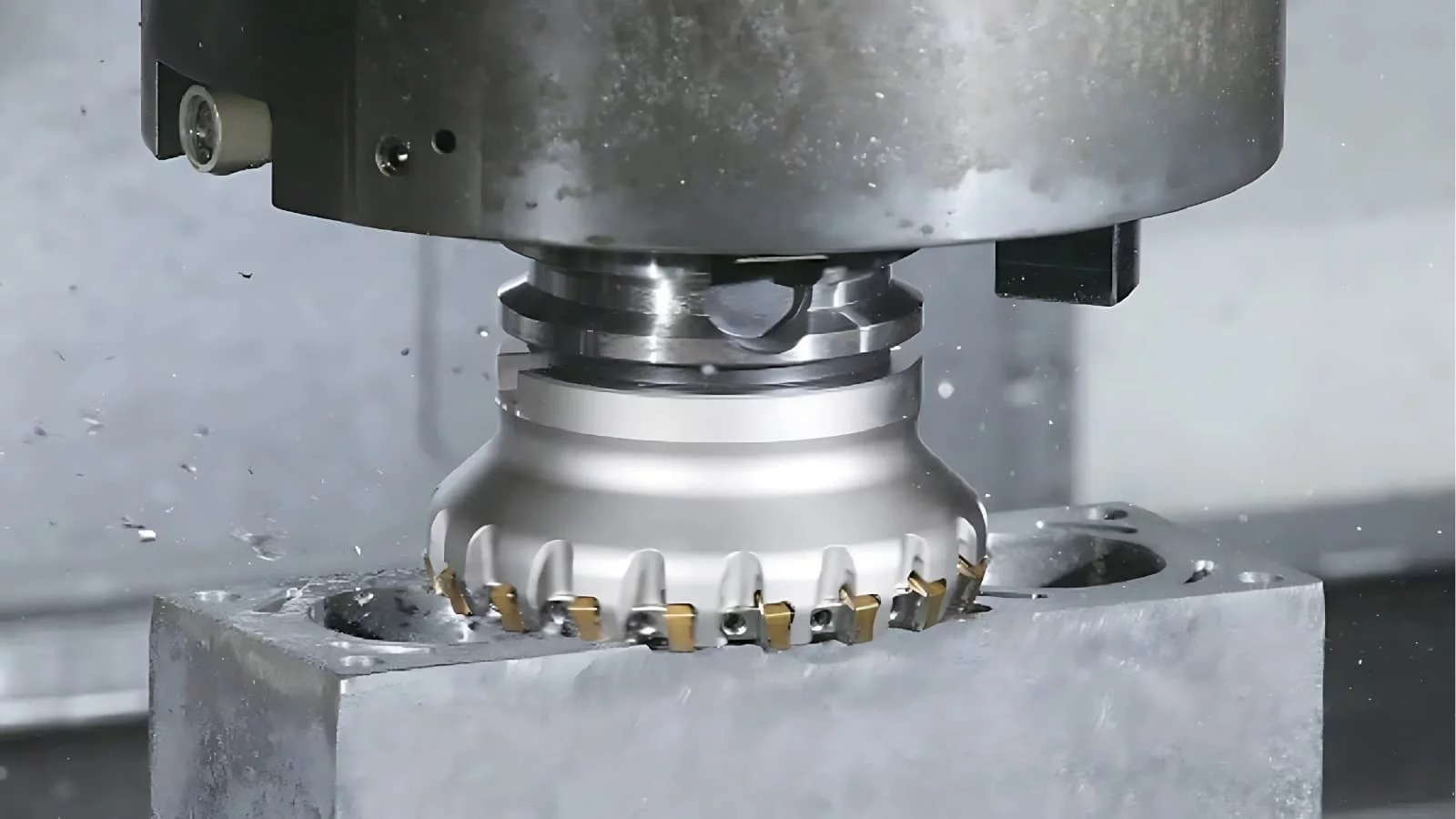
Beim Planfräsen greift der Fräser in die Oberseite des Werkstücks ein. Der größte Teil des Zerspanungsvorgangs erfolgt durch die Schneidplatten an der Fräservorderseite, während die Schneidplatten am äußeren Rand die Oberflächengüte verbessern. Beim Fräsen über das Werkstück trägt der Fräser eine gleichmäßige Materialschicht ab, wodurch sich das Verfahren ideal für die Bearbeitung großer, ebener Flächen eignet.
Hohe Abtragsrate für schnellere Bearbeitung großer Flächen.
Ausgezeichnete Oberflächenbeschaffenheit, wodurch der Bedarf an zusätzlichen Nachbearbeitungsschritten reduziert wird.
Stabile Schnittleistung, insbesondere in Kombination mit einem robusten CNC-Bearbeitungszentrum.
Geeignet für Schrupp- und Vorschlichtbearbeitung, trägt zur Verbesserung der Gesamteffizienz der Bearbeitung bei.
Das Planfräsen findet breite Anwendung überall dort, wo eine ebene, präzise Oberfläche benötigt wird. Typische Anwendungsgebiete sind:
Für Hersteller, die Wert auf Produktivität und Oberflächenqualität legen, ist das Planfräsen oft die erste Wahl für die effiziente Bearbeitung großer, ebener Flächen.
Das Umfangsfräsen, auch Planfräsen genannt, ist ein Bearbeitungsverfahren, bei dem der Schnitt hauptsächlich durch die Zähne am äußeren Umfang des Fräsers erfolgt. Im Gegensatz zum Planfräsen rotiert der Fräser parallel zur Werkstückoberfläche, wodurch sich dieses Verfahren ideal für die Bearbeitung von Kanten, Nuten, Absätzen und komplexen Profilen eignet.
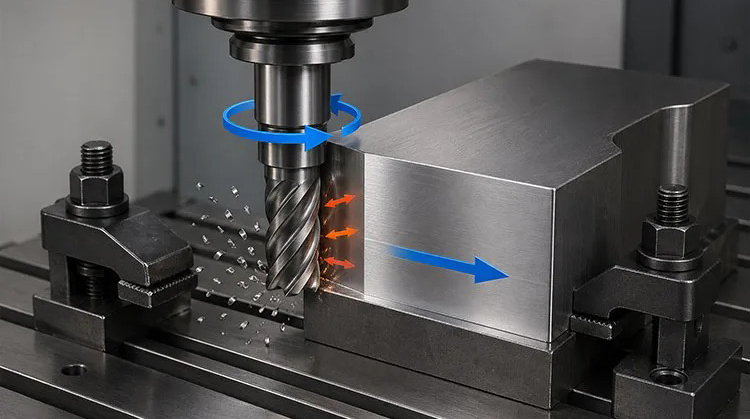
Beim Umfangsfräsen tragen die Seitenschneide des Werkzeugs kontinuierlich Material ab, während sich der Fräser entlang des Werkstücks bewegt. Da die Schneidwirkung auf den Außendurchmesser des Fräsers konzentriert ist, ermöglicht dieses Verfahren eine bessere Kontrolle der Seitenwandabmessungen und der Profilgenauigkeit.
Hohe Maßgenauigkeit bei Seitenwänden und Profilen.
Geeignet zum Bearbeiten von Schlitzen, Nuten und Absätzen.
Bessere Kontrolle komplexer Konturen und Kantenmerkmale.
Kompatibel mit einer breiten Palette von Schaftfräsern, wodurch es sich für verschiedene Bearbeitungsaufgaben eignet.
Das Umfangsfräsen wird häufig für Teile eingesetzt, die präzise Seitenkonturen anstelle großer ebener Flächen erfordern. Typische Anwendungsgebiete sind:
Wenn Ihr Projekt präzise Kanten, detaillierte Profile oder komplexe Formen erfordert, ist das Umfangsfräsen in der Regel die effektivere Bearbeitungsmethode.
Auf den ersten Blick mögen Planfräsen und Umfangsfräsen ähnlich erscheinen – beide Verfahren nutzen rotierende Schneidwerkzeuge zum Materialabtrag. Die Art und Weise, wie der Fräser das Werkstück berührt, ist jedoch grundlegend verschieden, was sich direkt auf die Bearbeitungseffizienz, die Oberflächengüte, die Genauigkeit und die Art der herstellbaren Merkmale auswirkt.
Der Unterschied lässt sich am einfachsten so erklären: Planfräsen dient hauptsächlich der Bearbeitung ebener Flächen, während Umfangsfräsen besser für die Bearbeitung von Kanten, Nuten und Profilen geeignet ist. Der folgende Vergleich verdeutlicht die wichtigsten Unterschiede.
Besonderheit | Planfräsen | Peripheres Fräsen |
Schnittposition | Schneidkanten an der Vorderseite des Fräsers | Schneidkanten entlang des Umfangs des Fräsers |
Schneidausrichtung | Senkrecht zur Werkstückoberfläche | Parallel zur Werkstückoberfläche |
Hauptzweck | Bearbeitung großer ebener Flächen | Bearbeitung von Kanten, Nuten, Absätzen und Profilen |
Oberflächenbeschaffenheit | Hervorragend geeignet für ebene Oberflächen | Hervorragend an Seitenwänden und Konturen |
Materialabtragsrate | Hoch | Mäßig |
Maßgenauigkeit | Gut geeignet für ebene Flächen | Besser für Seitenwand- und Profilgenauigkeit |
Typische Werkzeuge | Planfräsmaschinen, Mantelfräsmaschinen | Schaftfräser, Seiten- und Planfräser, Brammenfräser |
Beste Anwendungen | Planen, Schruppen, Vorschlichten | Nutenfräsen, Profilfräsen, Konturfräsen, Schulterfräsen |
Es gibt keine allgemeingültige "bessere" Option – die richtige Wahl hängt von dem zu bearbeitenden Teil ab.
Wählen Sie das Planfräsen, wenn Ihr Ziel darin besteht, Material schnell von großen, flachen Oberflächen abzutragen und gleichzeitig eine glatte Oberfläche zu erzielen.
Wählen Sie das Umfangsfräsen, wenn Ihr Werkstück präzise Seitenwände, Schlitze, Nuten oder komplexe Konturen erfordert, bei denen die Maßgenauigkeit wichtiger ist als die Abtragsgeschwindigkeit.
Bei vielen CNC-Bearbeitungsprojekten werden diese beiden Fräsverfahren kombiniert statt getrennt eingesetzt. Ein gängiger Arbeitsablauf besteht darin, zunächst mit dem Planfräsen eine ebene Referenzfläche zu erzeugen und anschließend mit dem Umfangsfräsen die Kanten, Aussparungen und Details des Werkstücks zu bearbeiten. Die Kombination beider Verfahren trägt zur Steigerung der Bearbeitungseffizienz bei und gewährleistet gleichzeitig eine hohe Werkstückqualität.
Absolut. Tatsächlich nutzen die meisten CNC-Bearbeitungsprojekte sowohl das Planfräsen als auch das Umfangsfräsen, anstatt sich nur auf eines der beiden Verfahren zu verlassen. Jedes Verfahren erfüllt einen anderen Zweck, und die Kombination beider Verfahren liefert oft das beste Verhältnis von Effizienz, Genauigkeit und Oberflächenqualität.
Ein typischer Bearbeitungsprozess könnte folgendermaßen aussehen:
Bei der Bearbeitung einer Formplatte wird beispielsweise die Oberseite üblicherweise zuerst plangefräst, um Ebenheit zu gewährleisten. Anschließend werden die Taschen, Rippen und Seitenwände mittels Umfangsfräsen bearbeitet, um die erforderliche Geometrie und Genauigkeit zu erreichen.
Durch den gezielten Einsatz der jeweiligen Fräsverfahren können Hersteller die Bearbeitungszeit verkürzen, die Teilequalität verbessern, unnötigen Werkzeugverschleiß reduzieren und ihre CNC-Bearbeitungszentren besser auslasten. Anstatt miteinander zu konkurrieren, arbeiten Plan- und Umfangsfräsen zusammen, um effizientere und zuverlässigere Bearbeitungsergebnisse zu erzielen.
1. Ist Planfräsen besser als Umfangsfräsen?
Nicht unbedingt. Keine der beiden Methoden ist in jeder Situation besser. Planfräsen eignet sich ideal für die schnelle Bearbeitung großer, ebener Flächen, während Umfangsfräsen besser für die Herstellung präziser Seitenwände, Nuten und komplexer Profile geeignet ist. Die richtige Wahl hängt von der Teilegeometrie und Ihren Bearbeitungszielen ab.
2. Kann derselbe Fräser sowohl Planfräsen als auch Umfangsfräsen durchführen?
Manche Schaftfräser können beide Bearbeitungsschritte an kleineren Werkstücken durchführen, spezialisierte Werkzeuge liefern jedoch in der Regel bessere Ergebnisse. Planfräser sind für die effiziente Oberflächenbearbeitung optimiert, während Schaftfräser und Seitenfräser für das Profilieren, Nutenfräsen und die Seitenwandbearbeitung ausgelegt sind.
3. Welches Fräsverfahren liefert eine bessere Oberflächengüte?
Es hängt von der zu bearbeitenden Oberfläche ab. Planfräsen erzeugt im Allgemeinen eine glattere Oberfläche auf großen, ebenen Flächen, während Umfangsfräsen eine bessere Oberflächengüte und Maßgenauigkeit an Seitenwänden und Konturen bietet.
4. Ist das Planfräsen schneller als das Umfangsfräsen?
Für die Bearbeitung großer, ebener Flächen ist es geeignet. Das Planfräsen nutzt mehrere Schneidkanten, um Material effizient abzutragen, und ist daher die bevorzugte Methode für hohe Abtragsraten. Das Umfangsfräsen ist in der Regel langsamer, bietet aber eine bessere Kontrolle bei der Bearbeitung detaillierter Konturen.
5. Wann sollten Planfräsen und Umfangsfräsen kombiniert werden?
Viele CNC-Teile erfordern beide Bearbeitungsschritte. Üblicherweise wird zunächst durch Planfräsen eine ebene Referenzfläche erzeugt, gefolgt vom Umfangsfräsen zur Bearbeitung von Nuten, Taschen, Absätzen und Profilen. Die Kombination beider Verfahren verbessert sowohl die Bearbeitungseffizienz als auch die Gesamtqualität des Teils.
6. Welcher CNC-Maschinentyp eignet sich sowohl für das Planfräsen als auch für das Umfangsfräsen?
Ein robustes CNC-Bearbeitungszentrum mit stabiler Spindel und präzisem Positioniersystem bewältigt beide Bearbeitungsvorgänge effizient. Ob ebene Flächen oder komplexe Profile – Maschinenstabilität und -steifigkeit sind entscheidend für gleichbleibende Genauigkeit und Oberflächenqualität.
Planfräsen und Umfangsfräsen sind keine konkurrierenden, sondern komplementäre Verfahren. Planfräsen eignet sich besonders für die schnelle Bearbeitung großer, ebener Flächen, während Umfangsfräsen die für Nuten, Seitenwände und komplexe Profile erforderliche Genauigkeit bietet.
Anstatt zu fragen, welche Methode besser ist, sollten Sie sich darauf konzentrieren, welche am besten zu Ihrer Bearbeitungsaufgabe passt. Die Wahl der richtigen Frässtrategie kann die Oberflächenqualität verbessern, die Zykluszeiten verkürzen und unnötigen Werkzeugverschleiß reduzieren.
Suchen Sie ein CNC-Bearbeitungszentrum, das sowohl beim Plan- als auch beim Umfangsfräsen zuverlässige Leistung erbringt? Yangsen bietet eine breite Palette an vertikalen, horizontalen, Portal- und 5-Achs-Bearbeitungszentren für unterschiedliche Produktionsanforderungen. Kontaktieren Sie unser Team, um die optimale Lösung für Ihre Werkstoffe, Werkstückgeometrie und Bearbeitungsanforderungen zu finden.