Eine leistungsstarke CNC-Fräsmaschine garantiert nicht automatisch hochwertige Bearbeitungsergebnisse. Viele Hersteller haben weiterhin mit Problemen wie Werkstückvibrationen, unbeständiger Genauigkeit, mangelhafter Oberflächengüte und langen Rüstzeiten zu kämpfen.
Die Ursache liegt möglicherweise nicht an der Maschine selbst. Ohne eine geeignete Werkstückspannung kann die Schnittkraft die Stabilität des Werkstücks beeinträchtigen und die Bearbeitungskonsistenz verringern.
Die richtige CNC-Spannlösung hilft dabei, das Werkstück zu sichern, die Bearbeitungsgenauigkeit zu verbessern, die Rüstzeiten zu verkürzen und die Produktionseffizienz zu steigern.
In diesem Leitfaden untersuchen wir die gängigen CNC-Werkstückspannsysteme für Fräsmaschinen und wie man die richtige Option für unterschiedliche Bearbeitungsanforderungen auswählt.
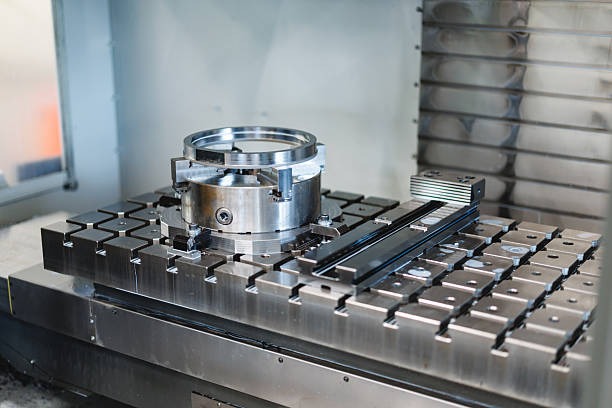
Beim CNC-Fräsen geht es bei der Werkstückspannung nicht nur darum, das Werkstück zu fixieren. Sie beeinflusst direkt die Bearbeitungsgenauigkeit, die Produktionseffizienz und die Stabilität des gesamten Prozesses. Eine geeignete Spannlösung gewährleistet, dass das Werkstück während des Fräsvorgangs sicher fixiert bleibt und die CNC-Maschine somit ihr volles Potenzial ausschöpfen kann.
Beim Fräsen können Schnittkräfte leichte Bewegungen oder Vibrationen verursachen, wenn das Werkstück nicht ordnungsgemäß eingespannt ist. Dies kann folgende Folgen haben:
Eine zuverlässige CNC-Werkstückspannlösung sorgt für eine stabile Positionierung und reduziert die Teilebewegung, wodurch Hersteller genauere und wiederholbare Bearbeitungsergebnisse erzielen können.
Die moderne Fertigung erfordert häufig die Bearbeitung komplexer Teile mit weniger Aufspannungen, einschließlich Mehrseitenbearbeitung und 5-Achs-Bearbeitung. Diese Anwendungen erfordern Spannlösungen mit höherer Steifigkeit, besserer Zugänglichkeit und zuverlässiger Positionierung.
Effiziente Werkstückspannsysteme helfen dabei:
Das richtige Spannsystem ermöglicht es den Herstellern, anspruchsvollere Bearbeitungsaufgaben zu bewältigen und gleichzeitig Genauigkeit und Effizienz zu gewährleisten.
Unterschiedliche Bearbeitungsanwendungen erfordern unterschiedliche Spannmethoden. Die richtige Lösung hängt von Faktoren wie Werkstückform, Bearbeitungsprozess, Produktionsvolumen und Genauigkeitsanforderungen ab. Im Folgenden werden einige der gängigsten CNC-Spannlösungen für Fräsbearbeitungen vorgestellt.
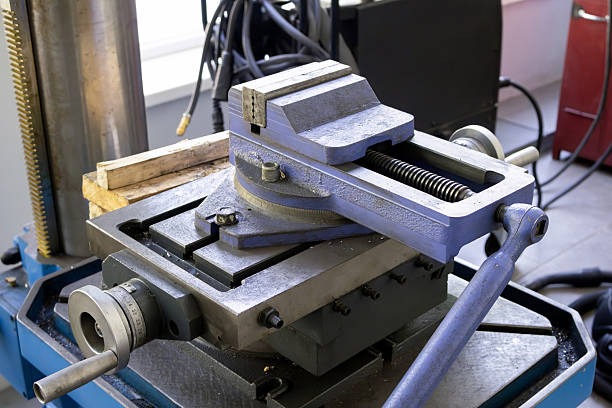
CNC-Maschinenschraubstöcke gehören zu den am weitesten verbreiteten Spannlösungen für Fräsmaschinen. Sie werden häufig für Standardteile mit einfachen Formen eingesetzt und bieten ein ausgewogenes Verhältnis zwischen Spannkraft, Flexibilität und Bedienkomfort.
Geeignet für:
Vorteile:
Standard-Schraubstöcke stoßen jedoch an ihre Grenzen bei der Bearbeitung komplex geformter Teile oder bei Anwendungen, die eine bessere Werkzeugzugänglichkeit erfordern.
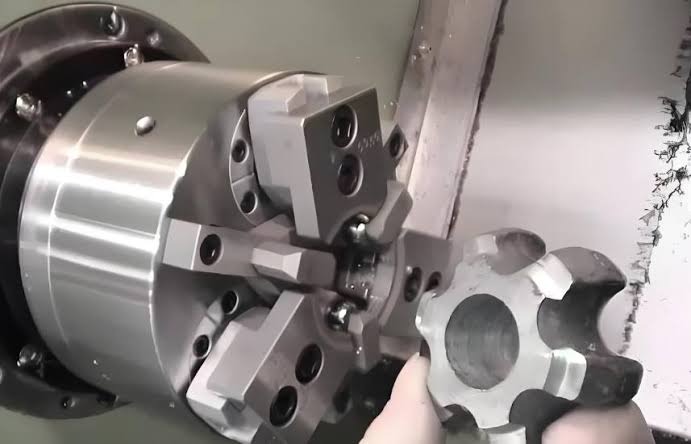
Wenn Standardspannvorrichtungen die spezifischen Bearbeitungsanforderungen nicht erfüllen können, bieten kundenspezifische CNC-Vorrichtungen eine spezialisiertere Lösung. Diese Vorrichtungen werden entsprechend der Teilegeometrie und dem Bearbeitungsprozess konstruiert, um eine bessere Positionierung und Stabilität zu gewährleisten.
Geeignet für:
Vorteile:
Kundenspezifische Vorrichtungen sind besonders nützlich für Hersteller, die komplexe Teile produzieren, die eine hohe Präzision und Wiederholgenauigkeit erfordern.
Modulare Spannsysteme sind für Hersteller konzipiert, die bei der Bearbeitung verschiedener Bauteiltypen Flexibilität benötigen. Anstatt für jedes Teil eine neue Vorrichtung zu erstellen, ermöglichen modulare Systeme dem Anwender eine schnelle Anpassung der Einrichtung.
Geeignet für:
Vorteile:
Dies macht modulare Spannsysteme zu einer praktischen Wahl für Unternehmen, die verschiedene Bearbeitungsaufgaben übernehmen.
Für anspruchsvolle CNC-Bearbeitungsanwendungen helfen Nullpunkt- und Palettenspannsysteme Herstellern, Rüstzeiten zu verkürzen und die Automatisierungsfähigkeit zu verbessern. Diese Systeme ermöglichen schnelle Vorrichtungswechsel bei gleichzeitig präziser Positionierung.
Geeignet für:
Vorteile:
Diese Lösungen werden häufig in Produktionsumgebungen mit hohem Durchsatz und hoher Präzision eingesetzt, wo Produktivität Priorität hat.
Die Wahl der richtigen CNC-Spannlösung hängt von mehr ab als nur von der sicheren Fixierung des Werkstücks. Hersteller müssen Bauteileigenschaften, Bearbeitungsanforderungen und Produktionsziele berücksichtigen, um ein optimales Verhältnis zwischen Genauigkeit, Effizienz und Kosten zu erzielen.
Die Form, Größe und Komplexität des Werkstücks sind wichtige Faktoren bei der Auswahl einer Spannmethode.
Für einfache rechteckige Teile ist ein Standard-CNC-Schraubstock oft eine effiziente und kostengünstige Wahl. Komplexe Bauteile mit unregelmäßigen Formen erfordern jedoch unter Umständen kundenspezifische CNC-Vorrichtungen, um eine bessere Unterstützung und Positionierung zu gewährleisten.
Bei großen oder schweren Werkstücken können modulare oder spezielle Spannvorrichtungen erforderlich sein, um die Stabilität bei anspruchsvollen Zerspanungsvorgängen zu gewährleisten.
Unterschiedliche Bearbeitungsprozesse erfordern unterschiedliche Grade an Steifigkeit und Zugänglichkeit.
Für schwere Zerspanungsvorgänge sollte das Werkstückspannsystem Folgendes gewährleisten:
Bei der Präzisionsbearbeitung hat folgende Priorität:
Bei der mehrseitigen oder 5-Achs-Bearbeitung wird eine flache und flexible Werkstückspannlösung bevorzugt, um einen besseren Werkzeugzugang zu ermöglichen und den Bedarf an mehreren Aufspannungen zu reduzieren.
Das Produktionsvolumen beeinflusst auch die Wahl der am besten geeigneten Werkstückspannung.
Für die KleinserienfertigungStandard-Schraubstöcke und flexible Vorrichtungen sind in der Regel ausreichend, da sie eine einfache Einrichtung und geringere Investitionskosten ermöglichen.
Für die Produktion mittlerer StückzahlenModulare Spannsysteme können die Effizienz steigern, indem sie schnellere Umrüstungen zwischen verschiedenen Teilen ermöglichen.
Für die MassenproduktionUm die Rüstzeiten zu verkürzen und die Maschinenauslastung zu maximieren, werden häufig spezielle Vorrichtungen oder automatisierte Werkstückspannsysteme bevorzugt.
Die Konfiguration der CNC-Maschine beeinflusst auch die Auswahl der Werkstückspannung.
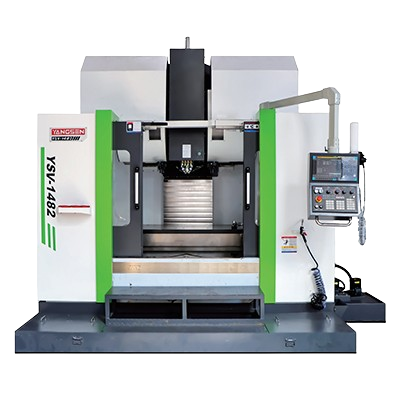
Vertikale Bearbeitungszentren (VMCs) Sie werden häufig für allgemeine Fräsarbeiten und flexible Fertigung eingesetzt. CNC-Schraubstöcke und modulare Vorrichtungen eignen sich oft für diese Anwendungen.
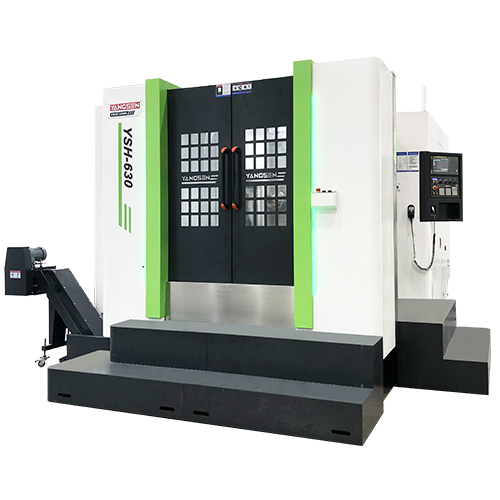
Horizontale Bearbeitungszentren (HMCs) Sie sind für hocheffiziente und mehrseitige Bearbeitung ausgelegt. Palettensysteme und Nullpunkt-Werkstückspannungen können dazu beitragen, die Umpositionierungszeiten zu reduzieren.
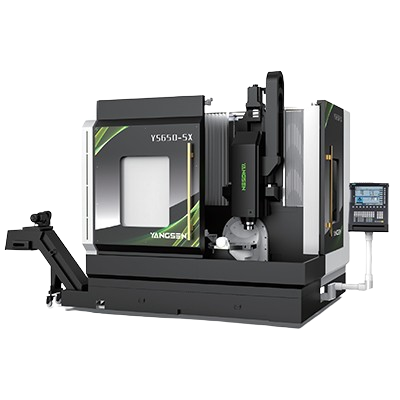
5-Achs-Bearbeitungszentren Erfordert Werkstückspannsysteme mit besserer Zugänglichkeit und geringeren Störungen, die es der Maschine ermöglichen, mehrere Oberflächen mit weniger Aufspannungen zu erreichen.
Durch die Abstimmung der Werkstückspannlösung auf die Teileanforderungen und den CNC-Maschinentyp können Hersteller eine höhere Bearbeitungseffizienz und konsistentere Ergebnisse erzielen.
Anders CNC-Fräsmaschinen Da Maschinen unterschiedliche Bearbeitungsmöglichkeiten bieten, sollte die ideale Spannlösung auf die Maschinenstruktur, das Bearbeitungsverfahren und die Produktionsanforderungen abgestimmt sein. Die Wahl der richtigen Kombination aus Maschine und Spannsystem hilft Herstellern, die Stabilität zu verbessern, Rüstzeiten zu reduzieren und bessere Bearbeitungsergebnisse zu erzielen.
Vertikale Bearbeitungszentren (VMCs) werden häufig für die allgemeine Präzisionsbearbeitung, den Formenbau und die Fertigung kleiner bis mittelgroßer Bauteile eingesetzt. Da sich die Spindel vertikal bewegt, müssen die Spannsysteme eine zuverlässige Klemmung gewährleisten und gleichzeitig eine gute Zugänglichkeit für die Schneidwerkzeuge sicherstellen.
Gängige Lösungen sind:
Für Hersteller, die VMCsDas Werkstückspannsystem sollte ein Gleichgewicht zwischen Steifigkeit, Flexibilität und einfacher Einrichtung aufweisen, um verschiedene Bearbeitungsaufgaben zu unterstützen.
Horizontale Bearbeitungszentren (HMCs) werden häufig für die Serienfertigung und die Mehrseitenbearbeitung eingesetzt. Ihre horizontale Spindelkonstruktion ermöglicht eine bessere Spanabfuhr und die effiziente Bearbeitung komplexer Teile.
Geeignete Spannlösungen umfassen:
Diese Lösungen tragen dazu bei, wiederholte Rüstvorgänge zu reduzieren, die Positioniergenauigkeit zu verbessern und die Maschinenauslastung zu maximieren. Dadurch eignen sie sich ideal für Hersteller, die eine effiziente und gleichmäßige Produktion benötigen.
5-Achs-Bearbeitungszentren Sie können komplexe Teile aus verschiedenen Winkeln in einer einzigen Aufspannung bearbeiten, benötigen aber auch Spannlösungen mit besserer Zugänglichkeit und Stabilität.
Zu den empfohlenen Lösungen gehören:
Die richtige Werkstückspannlösung ermöglicht mehr Werkzeugbewegung, reduziert Interferenzen und hilft Herstellern, eine höhere Genauigkeit bei der Bearbeitung komplexer Bauteile wie Luft- und Raumfahrtteile, Formen und Präzisionskomponenten zu erreichen.
Eine vollständige Bearbeitungslösung erfordert sowohl eine leistungsfähige CNC-Maschine als auch ein geeignetes Spannsystem. Durch die Auswahl der richtigen Kombination können Hersteller die Bearbeitungseffizienz steigern, Produktionsherausforderungen reduzieren und den größtmöglichen Nutzen aus ihren Produkten ziehen. CNC-Ausrüstung.
Die Leistung einer CNC-Fräsmaschine hängt nicht nur von der Maschinengenauigkeit und den Schneidwerkzeugen ab, sondern auch davon, wie sicher das Werkstück während der Bearbeitung eingespannt wird. Eine geeignete Spannlösung kann die Bearbeitungsstabilität, die Produktionseffizienz und die gesamten Fertigungsergebnisse direkt verbessern.
Eine instabile Werkstückspannung kann Vibrationen, Werkstückbewegungen und Schnittinstabilität verursachen, was die Oberflächenqualität und Maßgenauigkeit beeinträchtigen kann.
Eine zuverlässige CNC-Spannlösung hilft dabei:
Dies ist besonders wichtig für Präzisionsbauteile, die enge Toleranzen und gleichbleibende Qualität erfordern.
Eine mangelhafte Werkstückspannung kann zusätzliche Schnittkräfte und Vibrationen erzeugen, was zu schnellerem Werkzeugverschleiß und unerwarteten Werkzeugschäden führt.
Durch die stabile Klemmung können Hersteller Folgendes erreichen:
Ein stabiler Bearbeitungsprozess verbessert nicht nur die Teilequalität, sondern trägt auch zur Senkung der gesamten Produktionskosten bei.
In der modernen Fertigung ist die Reduzierung von Nebenzeiten unerlässlich für die Produktivitätssteigerung. Langsame Rüstprozesse und häufige Nachjustierungen können die Auslastung von CNC-Maschinen erheblich verringern.
Effiziente Werkstückspannsysteme helfen dabei:
Durch die Wahl der richtigen Werkstückspannlösung können Hersteller die Leistung ihrer CNC-Fräsmaschinen maximieren und eine effizientere Produktion erreichen.
1. Was ist CNC-Werkstückspannung für Fräsmaschinen?
CNC-Spannsysteme umfassen Vorrichtungen und Systeme, die ein Werkstück während des CNC-Fräsens sicher positionieren und fixieren. Sie tragen zur Stabilität des Werkstücks bei, verbessern die Bearbeitungsgenauigkeit und reduzieren Bewegungen, die durch Schnittkräfte verursacht werden.
Gängige CNC-Spannsysteme umfassen Maschinenschraubstöcke, kundenspezifische Vorrichtungen, modulare Systeme und Nullpunkt-Spannsysteme.
2. Warum ist die Werkstückspannung beim CNC-Fräsen wichtig?
Die Werkstückspannung spielt eine wichtige Rolle für die Bearbeitungsleistung, da bereits geringe Werkstückbewegungen die Genauigkeit und Oberflächenqualität beeinträchtigen können.
Eine geeignete Werkstückspannlösung hilft:
3. Welche Spannlösung eignet sich am besten für die CNC-Frästechnik?
Es gibt keine universell beste Spannlösung für alle Anwendungen. Die richtige Wahl hängt von der Teilegröße, der Geometrie, dem Bearbeitungsprozess und dem Produktionsvolumen ab.
Zum Beispiel:
4. Wie wähle ich eine CNC-Vorrichtung für meine Teile aus?
Bei der Auswahl einer CNC-Vorrichtung sollten Hersteller Folgendes berücksichtigen:
Eine geeignete Vorrichtung sollte ausreichend Klemmkraft bieten, gleichzeitig die Verformung minimieren und einen einfachen Werkzeugzugang ermöglichen.
5. Benötigen 5-Achs-CNC-Maschinen spezielle Werkstückspannsysteme?
Ja. Die 5-Achs-Bearbeitung erfordert Spannlösungen mit besserer Zugänglichkeit und geringeren Interferenzen, da die Maschine das Werkstück aus mehreren Winkeln anfahren kann.
Flache Vorrichtungen, kundenspezifische Vorrichtungen und modulare Werkstückspannsysteme werden häufig eingesetzt, um die Werkzeugreichweite zu maximieren und den Bedarf an mehreren Aufspannungen zu reduzieren.
Die richtige CNC-Spannlösung hilft Herstellern, eine höhere Bearbeitungsgenauigkeit zu erzielen, Rüstzeiten zu reduzieren und die Produktionseffizienz zu steigern. Eine geeignete Spannmethode in Kombination mit einem zuverlässigen CNC-Bearbeitungszentrum ermöglicht es Maschinen, ihr volles Potenzial auszuschöpfen.
Bei der Auswahl einer CNC-Bearbeitungslösung sollten sowohl die Maschinenleistung als auch die Anforderungen an die Werkstückspannung berücksichtigt werden, um stabile und konsistente Ergebnisse zu erzielen.
Wenden Sie sich an CNC Yangsen, um die passende CNC-Bearbeitungslösung für Ihre Produktionsanforderungen zu finden.