Unternehmen stehen vor der wichtigen Entscheidung, ob sie Fräsmaschinen oder Bohrmaschinen für ihre Bearbeitungsarbeiten einsetzen. Die beiden Maschinentypen dienen unterschiedlichen Zwecken, da sie sich in Konstruktion und Funktionsweise unterscheiden, was zu unterschiedlichen Einsatzgebieten in der Fertigung führt. Fertigungsunternehmen und Ingenieurteams müssen diese Unterschiede verstehen, um bessere Produktionsergebnisse zu erzielen und präzise Bearbeitungsstandards einzuhalten.
Eine Fräsmaschine ist bekannt für ihre Vielseitigkeit und die Fähigkeit, komplexe Zerspanungsvorgänge durchzuführen. Eine Bohrmaschine wird hingegen hauptsächlich für einfache Bohrungen eingesetzt. Die Wahl einer ungeeigneten Maschine führt zu Betriebsstörungen, höheren Kosten und geringerer Produktionskapazität. Dieser Vergleich verdeutlicht die betrieblichen Unterschiede, die strukturellen Besonderheiten und die Leistungsmerkmale, die Fräsmaschinen von Bohrmaschinen unterscheiden.
Anwender können die Vorteile ihrer Lösung anhand ihrer Konstruktionselemente, Betriebsmethoden und der jeweiligen Produktionsvorteile bewerten. Es gibt kein Betriebssystem, das allen anderen überlegen ist. Die beiden Systeme sind vielmehr darauf ausgelegt, spezifische Anforderungen unter den jeweiligen Betriebsbedingungen zu erfüllen.
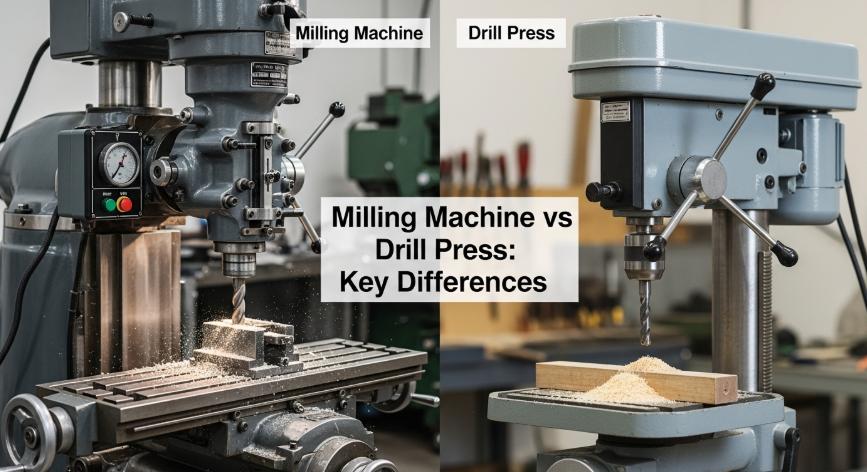
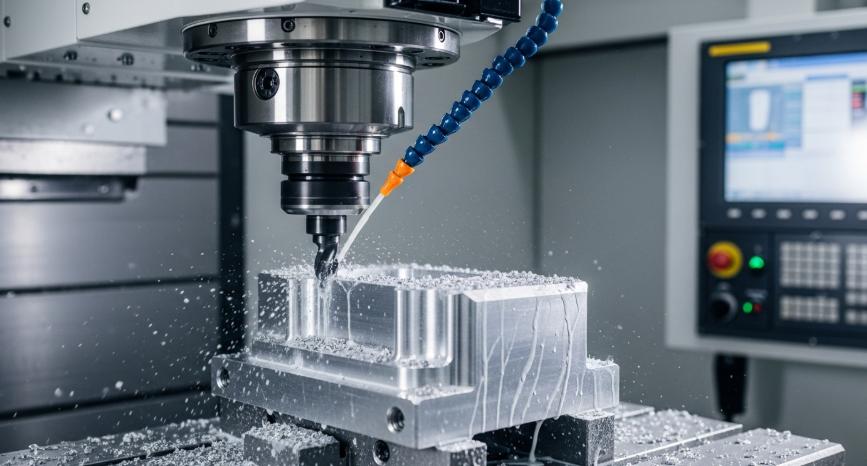
Eine Fräsmaschine ist ein Präzisionsbearbeitungsgerät, das mit rotierenden Schneidwerkzeugen mit mehreren Schneiden Material von einem Werkstück abträgt. Fräsmaschinen können vielfältige Aufgaben ausführen, darunter das präzise Fräsen von Nuten, das Formen und Konturieren von Oberflächen sowie das genaue Bohren.
Das Werkstück muss auf einem beweglichen Tischsystem montiert werden. Dies ermöglicht die präzise Steuerung seiner Bewegung entlang verschiedener Achsen. Die Fräsmaschine bietet die notwendige Flexibilität für Branchen, die komplexe geometrische Formen mit engen Toleranzen und gleichbleibenden Ergebnissen fertigen müssen.
Fräsmaschinen sind in verschiedenen Ausführungen erhältlich, um unterschiedlichen Produktionsanforderungen gerecht zu werden. Die Hauptkategorien von Fräsmaschinen sind:
1.Vertikalfräsmaschinen.
2.Horizontale Fräsmaschinen.
3.Universelle Fräsmaschinen.
CNC-Fräsmaschinen arbeiten mit fortschrittlicher Technologie und erreichen so höchste Genauigkeit bei gleichzeitiger Automatisierung. Dadurch eignen sie sich ideal für Fertigungsprozesse, die sowohl hohe Produktionsraten als auch präzise Ergebnisse erfordern. Die Spindelausrichtung, die Komplexität der Anwendung und die Materialanforderungen bestimmen die Konstruktionsspezifikationen, die für jeden Maschinentyp maßgeblich sind.
Eine Fräsmaschine besteht aus Kernkomponenten wie dem Untergestell, der Säule, der Spindel, dem Tisch, dem Schlitten und dem Steuerungssystem. Das Untergestell bietet allen Teilen sicheren Halt. Die Säule beherbergt das Spindel-Steuerungssystem. Der Arbeitstisch ermöglicht Bewegungen in verschiedene Richtungen und somit präzises Bearbeiten. Die robuste Konstruktion der Maschine gewährleistet Stabilität auch bei intensiven Zerspanungsarbeiten.
Fräsmaschinen sind in Fertigungsumgebungen, in denen Präzision, Flexibilität und die Bearbeitung komplexer Aufgaben entscheidend sind, die bevorzugte Wahl. Dank ihrer fortschrittlichen Technologie ermöglichen sie dem Bediener die Durchführung mehrerer Bearbeitungsvorgänge. So lassen sich beispielsweise Planfräsen, Nutenfräsen, Konturfräsen und Bohren ohne Maschinenwechsel realisieren. Ihre vielfältigen Funktionen machen sie ideal für die Fertigung von Teilen, die präzise Abmessungen gemäß exakten Spezifikationen erfordern.
Fräsmaschinen ermöglichen es dem Bediener durch ihre Steuerungsfunktionen, präzise Oberflächen und exakte geometrische Formen zu erzielen. Sie regeln Schnitttiefe, Vorschubgeschwindigkeit und Werkzeugbewegung. Das Mehrachsensystem der Fräsmaschine erlaubt es dem Bediener, Bearbeitungsvorgänge aus verschiedenen Winkeln durchzuführen. Dies ist bei der Herstellung komplexer Industriebauteile unerlässlich.
CNC-Fräsmaschinen bieten modernen Fertigungsanlagen hohe Genauigkeit und Zuverlässigkeit. Dadurch eignen sie sich sowohl für die Prototypenentwicklung als auch für die Serienproduktion. Die Fräsmaschine ist eine zuverlässige Bearbeitungslösung, da sie über einen langen Zeitraum präzise und vertrauenswürdige Ergebnisse liefert.
Aspekt | Vorteile | Nachteile |
Präzision | Das System muss sowohl präzise Ergebnisse als auch präzise Messgrenzen erreichen. | Das System erfordert fortgeschrittene Bedienungskenntnisse. |
Vielseitigkeit | Das System führt mehrere Bearbeitungsaufgaben gleichzeitig aus. | Das System benötigt zu Beginn mehr Geld für Käufe. |
Produktivität | Das System eignet sich am besten für die Produktion sowohl detaillierter Artikel als auch großer Mengen. | Das System benötigt mehr Fläche als es derzeit einnimmt. |
Automatisierung | Der Einsatz von CNC-Technologie führt zu einer besseren Produktqualität. | Das System erfordert mehr Geld für die Instandhaltung als üblich. |
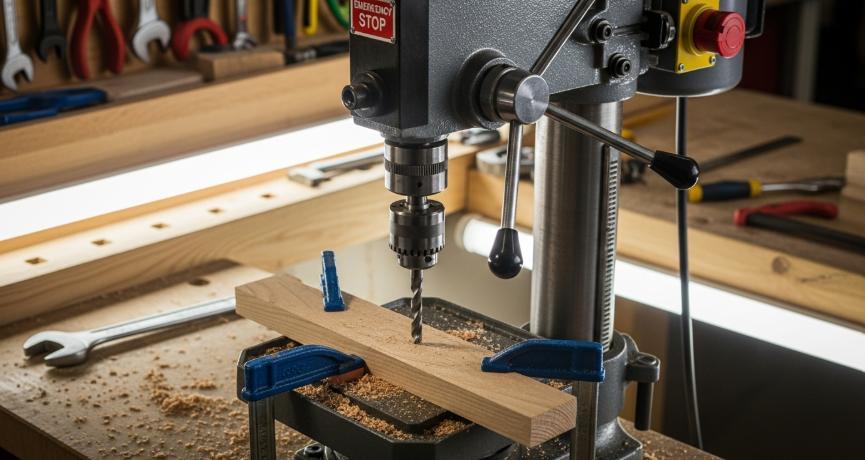
Das Gerät arbeitet als stationäre Anlage, die präzise, unveränderliche Löcher in verschiedene Materialien erzeugt. Es basiert auf einer festen Sonde.Bohrmaschine und verstellbarer Arbeitstisch für präzise, gerade Bohrungen anstelle von Handbohrmaschinen.
Die Maschine wendet eine kontrollierte vertikale Kraft an und eignet sich daher ideal für wiederholte Bohrarbeiten in Metall, Holz und Kunststoff. Die Bohrmaschine dient als Standardwerkzeug für Werkstätten, Wartungsbereiche und kleinere Fertigungsbetriebe, die präzises Bohren ohne komplizierte Maschinenbedienung benötigen.
Bohrmaschinen gibt es in verschiedenen Ausführungen, die sich in Größe, Leistung und Verwendungszweck unterscheiden. Die gängigsten Typen sind:
1.Tischbohrmaschinen.
2.Standbohrmaschinen.
3.Radialbohrmaschinen.
4.Magnetbohrmaschinen.
Kleine Werkstätten benötigen Tischbohrmaschinen, die sich am besten für weniger anspruchsvolle Projekte eignen. Standbohrmaschinen bieten mehr Leistung und Kapazität für größere Aufgaben. Radialbohrmaschinen ermöglichen es dem Anwender, auch schwer zugängliche Stellen zu erreichen und schwere Materialien zu bearbeiten.
Eine Bohrmaschine besteht im Wesentlichen aus ihrem Fuß, ihrer Säule, dem Arbeitstisch, der Spindel, dem Bohrfutter und dem Motor. Der Fuß sorgt für Stabilität, während die vertikale Säule die Spindel trägt.
Der verstellbare Arbeitstisch ermöglicht die Positionierung von Höhe und Winkel für präzises Bohren. Die Spindel hält den Bohrer und bewegt sich vertikal, um den Bohrvorgang durchzuführen. Die Konstruktion gewährleistet Langlebigkeit und einfache Bedienung bei gleichbleibend hoher Bohrgenauigkeit über die gesamte Lebensdauer.
Die Ständerbohrmaschine ist die ideale Lösung für Aufgaben, die sowohl eine präzise Bohrlochplatzierung als auch eine einfache Bedienung erfordern. Das System arbeitet mit einer vertikalen Spindel. Ein stabiler Arbeitstisch ermöglicht die genaue Positionierung des Bohrers und sorgt so für saubere und gleichmäßige Bohrlöcher.
Das System ermöglicht dem Anwender eine präzise Steuerung. Es verringert das Risiko von Fehlausrichtungen und Materialbeschädigungen beim Bohren. Die Bohrmaschine bietet eine bessere Tiefenkontrolle und hält den Druck konstant. Sie verbessert die Bearbeitungsergebnisse und reduziert gleichzeitig die Ermüdung des Bedieners. Das System bietet zuverlässige Leistung und funktioniert effektiv an Arbeitsplätzen, die keine aufwendige Programmierung oder komplizierte Installation erfordern.
Durch die direkte Bauweise einer Bohrmaschine können Anwender Kosten für Anschaffung, Wartung und Betrieb einsparen. Eine Bohrmaschine bietet Kleinserienfertigungen präzise, effektive und kostengünstige Bearbeitungsmöglichkeiten.
Aspekt | Vorteile | Nachteile |
Präzision | Das Gerät erzeugt Löcher, die sowohl geradlinig als auch gleichmäßig sind. | Das System kann nur in vertikaler Richtung funktionieren. |
Benutzerfreundlichkeit | Das System erfordert lediglich grundlegende Bedienungskenntnisse, die nur minimalen Schulungsaufwand für den Benutzer erfordern. | Dem System fehlt die Fähigkeit, fortgeschrittene Bearbeitungsverfahren auszuführen. |
Kosten | Das System bietet Kostenvorteile, da es sowohl für die anfänglichen Ausgaben als auch für die laufenden Betriebskosten weniger Geld benötigt. | Das System bietet im Vergleich zu Fräsmaschinen weniger operative Möglichkeiten. |
Wartung | Das System erfordert einen geringeren Wartungsaufwand und bietet gleichzeitig operative Leistungsfähigkeit über einen langen Zeitraum. | Das System verfügt über eingeschränkte Möglichkeiten zur Automatisierung von Aufgaben und bietet nur eine begrenzte operative Anpassungsfähigkeit. |
Die beiden Maschinen unterscheiden sich hauptsächlich dadurch, dass Fräsmaschinen Material durch ihre spezifische Konstruktion und Funktionsweise abtragen. Bohrmaschinen hingegen arbeiten mit einer anderen Bauweise. Die unterschiedlichen Maschineneigenschaften ermöglichen es Herstellern, die jeweils am besten geeignete Ausrüstung für spezifische Anwendungsbereiche auszuwählen.
Aspekt | Fräsmaschine | Bohrmaschine |
Struktur und Design | Die Konstruktion ist so ausgelegt, dass sie hohen Belastungen standhält und dank ihres stabilen Rahmens multidirektionale Bewegungen ermöglicht. Sie erlaubt fortschrittliche Schneidvorgänge. | Das Gerät zeichnet sich durch eine grundlegende vertikale Bauweise aus. Es verfügt über eine unbewegliche Spindel, die direkte vertikale Bohrarbeiten ermöglicht. |
Kompatibilität | Das System unterstützt eine Vielzahl von Schneidwerkzeugen und Materialien, darunter sowohl komplexe Werkstoffe als auch extrem harte Metalle. | Das System weist eine eingeschränkte Kompatibilität auf, die es dem Benutzer nur erlaubt, durch einfache Materialien zu bohren. |
Preis | Das Produkt erfordert aufgrund seiner fortschrittlichen technischen Konstruktion und Fertigungsmöglichkeiten einen höheren Anschaffungspreis. | Das Produkt bietet einen niedrigeren Preis und eignet sich daher für Personen, die grundlegende Bohrwerkzeuge benötigen. |
Montage und Einrichtung | Das System erfordert Fachkräfte, die präzise Installationsarbeiten durchführen und die korrekte Ausrichtung bis zum Beginn der professionellen Einrichtungsarbeiten aufrechterhalten müssen. | Das Produkt ermöglicht es dem Benutzer, es schnell zusammenzubauen, da nur grundlegende Installationsarbeiten erforderlich sind. |
Wartung | Das System erfordert Wartungsarbeiten, da seine Konstruktion mehrere bewegliche Teile umfasst und Komponenten enthält, die eine spezielle Handhabung erfordern. | Das Produkt benötigt wenig Wartung, da es nur aus wesentlichen mechanischen Bauteilen besteht. |
Operative Komplexität | Das System benötigt Fahrer, die entweder über manuelle Steuerungskenntnisse oder CNC-Programmierkenntnisse verfügen, um die Maschine zu bedienen. | Das System ermöglicht es den Benutzern, es nach Abschluss eines kurzen Schulungsprogramms zu bedienen. |
Produktionskapazität | Das System bietet operative Fähigkeiten, die die präzise Fertigung komplexer Teile und die Produktion in großem Maßstab ermöglichen. | Die Ausrüstung liefert optimale Leistung bei der Ausführung einfacher Bohrarbeiten, die mehrmals wiederholt werden müssen. |
Flexibilität | Das System unterstützt mehrere Betriebsmethoden, was eine hohe operative Flexibilität ermöglicht. | Die Geräte beschränken ihre Funktionen auf die Durchführung von Bohrarbeiten und die Ausführung einfacher Folgearbeiten. |
Die Wahl zwischen einer Fräsmaschine und einer Bohrmaschine sollte sich nach Ihren Produktionsanforderungen richten und nicht nach der technisch fortschrittlicheren Maschine. Die optimale Lösung für Sie berücksichtigt drei Faktoren: Ihre Betriebsabläufe, Ihre verfügbare Produktionskapazität und Ihre zukünftigen Geschäftsziele.
Ermitteln Sie zunächst, welche Art von Arbeiten Sie am häufigsten ausführen. Die Fräsmaschine ist die bessere Wahl, wenn Sie komplexe Teile durch Oberflächenbearbeitung und Nutenfräsen herstellen müssen. Die Bohrmaschine ist die bessere Wahl, wenn Sie Löcher präzise in einem festen Abstand bohren müssen.
Sehen Sie sich die gesamte Palette an Materialien und Werkzeugen an, die Sie für Ihr Projekt benötigen. Fräsmaschinen ermöglichen die Durchführung verschiedener Bearbeitungsaufgaben mit unterschiedlichen Schneidwerkzeugen. Bohrmaschinen eignen sich ausschließlich für Bohrarbeiten und leichtere Aufgaben.
Entscheiden Sie sich zwischen manuellen Bedienelementen und automatischen Systemen, die eine präzise Steuerung ermöglichen. CNC-Fräsmaschinen Bohrmaschinen eignen sich optimal für die Herstellung präziser Produkte, die in Serie gefertigt werden müssen. Sie funktionieren am besten in Umgebungen, die einfache Aufgaben ohne Programmieraufwand erfordern.
Die Entscheidungsfindung hängt stark von den verfügbaren Budgetmitteln ab. Die Anschaffungskosten von Fräsmaschinen sind höher als die von Bohrmaschinen, die für kleine Werkstätten, die einfache Arbeiten ausführen, eine wirtschaftliche Alternative darstellen.
Sie sollten alle Kosten berücksichtigen, einschließlich der Ausgaben, die über den ursprünglichen Kaufpreis hinausgehen. Fräsmaschinen erzielen langfristig höhere Renditen, da sie steigende Produktionsanforderungen bewältigen können. Bohrmaschinen bieten schnelle finanzielle Vorteile für Unternehmen mit regelmäßigem, geringem Auftragsvolumen.
Ihre Organisation sollte ihre Wartungsanforderungen und Skalierungsmöglichkeiten entsprechend Ihrem bevorstehenden Geschäftsausbauplan aufrechterhalten.
Kann eine Bohrmaschine eine Fräsmaschine ersetzen?
Nein, die Bohrmaschine dient als Spezialwerkzeug für Bohrarbeiten. Sie funktioniert anders als eine Fräsmaschine, die verschiedene Bearbeitungsaufgaben übernimmt.
Ist eine Fräsmaschine genauer als eine Bohrmaschine?
Ja, die Fräsmaschinen ermöglichen den Bedienern eine bessere Kontrolle über ihre Werkzeuge, was zu einer höheren Bearbeitungsgenauigkeit führt.
Welche Maschine eignet sich besser für Anfänger?
Die Bohrmaschine bietet dem Bediener vereinfachte Funktionen, für deren Bedienung nur minimale technische Kenntnisse erforderlich sind.
Kann eine Ständerbohrmaschine auch für leichte Fräsarbeiten verwendet werden?
Das Verfahren sollte nicht durchgeführt werden, da es sowohl strukturelle als auch sicherheitstechnische Probleme mit sich bringt.
Welche Maschine ist teurer?
Die Anschaffungs- und Installationskosten von Fräsmaschinen sind höher als die anderer Maschinen.
In welchen Branchen werden Fräsmaschinen häufig eingesetzt?
Die Automobilindustrie, die Luft- und Raumfahrtindustrie, der medizinische Bereich und der Präzisionsfertigungssektor.
Sind Bohrmaschinen für die Serienfertigung geeignet?
Das Gerät eignet sich am besten für Aufgaben, die wiederholtes, einfaches Bohren erfordern.
Welche Maschine benötigt mehr Wartung?
Die Fräsmaschine benötigt umfangreiche Wartungsarbeiten, da ihre komplizierten Teile eine ständige Instandhaltung erfordern.
Können beide Maschinen metallische Werkstoffe verarbeiten?
Die Anlagen unterstützen alle Metallarten und Bearbeitungsschwierigkeitsgrade, Fräsmaschinen verfügen jedoch über eine höhere Leistungsfähigkeit.
Welche Option bietet den besseren langfristigen Nutzen?
Das hängt von der Anwendung ab. Fräsmaschinen für komplexes Wachstum, Bohrmaschinen für stabile Grundbedürfnisse.
Sowohl Fräsmaschinen als auch Bohrmaschinen spielen wichtige, aber unterschiedliche Rollen bei Bearbeitungsvorgängen. Es gibt keine absolut beste Wahl, sondern nur die Lösung, die am besten zu Ihrer Anwendung, Ihrem Budget und Ihren Produktionszielen passt.Fräsmaschinen zeichnen sich durch Vielseitigkeit und Präzision aus, während Bohrmaschinen Einfachheit und Effizienz für gezielte Aufgaben bieten.
Um die richtige Entscheidung zu treffen, sollten Sie Ihre aktuellen Bedürfnisse und Zukunftspläne sorgfältig prüfen. Wenn Sie zuverlässige, industrietaugliche Bearbeitungslösungen suchen, informieren Sie sich über fortschrittliche Frästechnologien von [Herstellername einfügen]. CNC Yangsenund wählen Sie eine strukturelle Lösung, die langfristigen Erfolg unterstützt.